
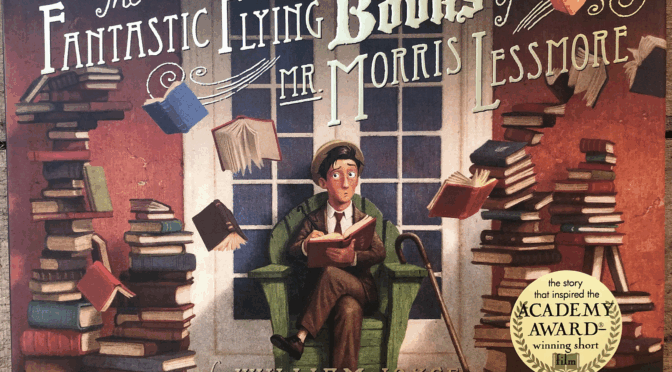
We chanced across this gem of a book (The Fantastic Flying Books of Mr. Morris Lessmore) a few weeks ago and after reading it–which I highly recommend–we went looking for the award winning short that was mentioned on the sticker.
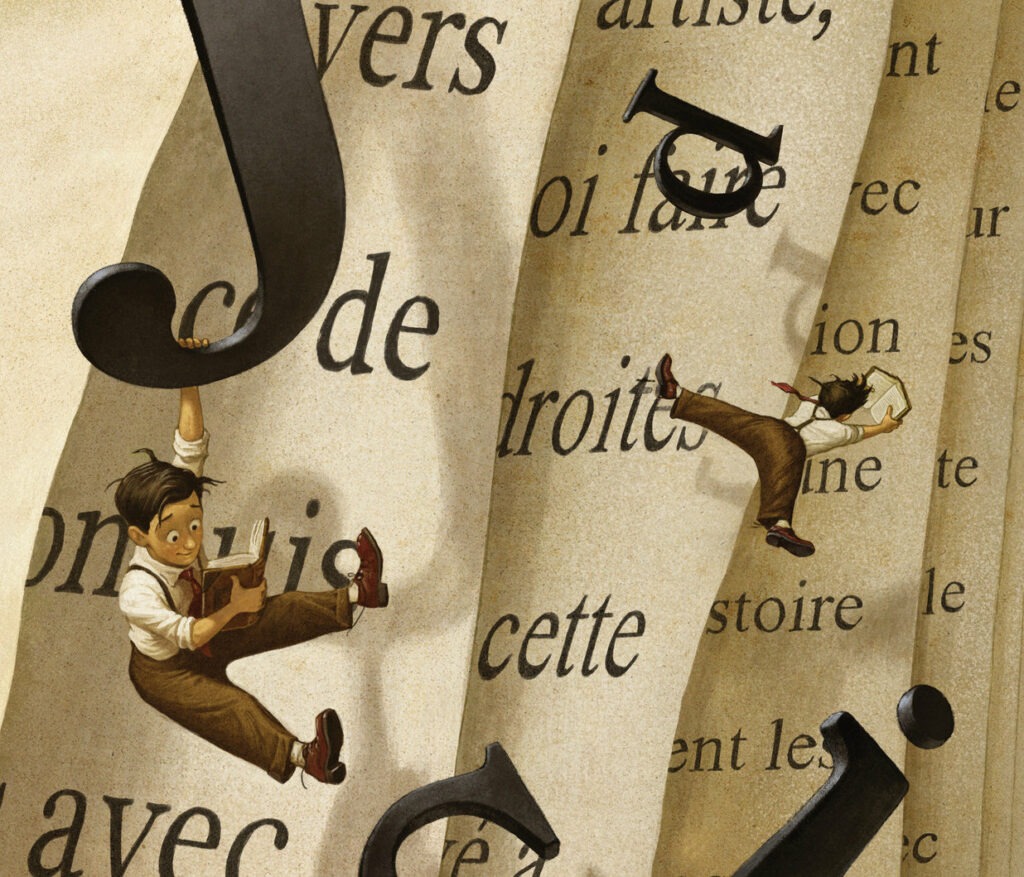
We found it readily on youtube of all places, and I’ll link it below because it is indeed worth the 15 minutes. Go watch it first. Once you do, the rest of this will might make more sense.
Aside from the book and the short, this has taken me speeding down an entire avenue in which I had only casually glanced down before: silent films.
I grew up with the classic cartoons caricatures of the greatest of the Golden Age stars. Other cartoons like Disney’s 1939 Autograph Hound starring Donald Duck among others (this is where I learned who the Ritz Brothers were when I was 7 or 8) and Warner Brother’s 1941 Merry Melody Hollywood Steps Out. Heckle and Jeckle did a Marx Brothers bit in Out Again, In Again in 1948. I was the weird kid who needed to know who all those people were. “Fancy meeting you here”
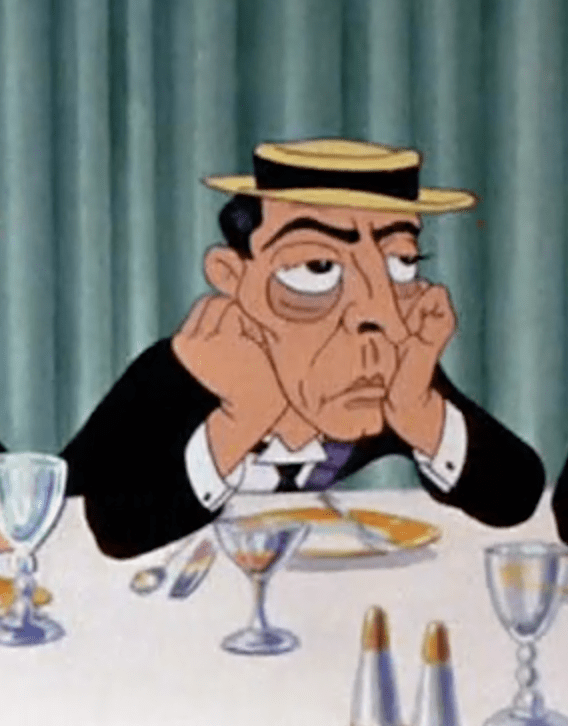
I was also lucky enough to grow up around people who appreciated old(er) comedy and was introduced to the likes of Red Skelton, Abbott and Costello, Laurel and Hardy, Jack Benny, and the Marx Brothers very early on. Strangely enough, it was years later that the Three Stooges came along and that was reversed engineered from Scooby Doo meeting them and those bizarre Robotic Stooges cartoons.
But things didn’t go farther back, really. Until now. Reading and watching The Fantastic Flying Books of Mr. Morris Lessmore had me explaining to my son why he looked they way he did and where half (or more) of the visual gags in the short came from. Naturally, he wanted to know more about Buster Keaton. And, really, everyone should.
One of the good things about living in the world of pervasive internet is that you can log on and find all the things that would have taken a lot longer to collect years ago. To that end we found throngs of Keaton collections on youtube and have been watching them after school.
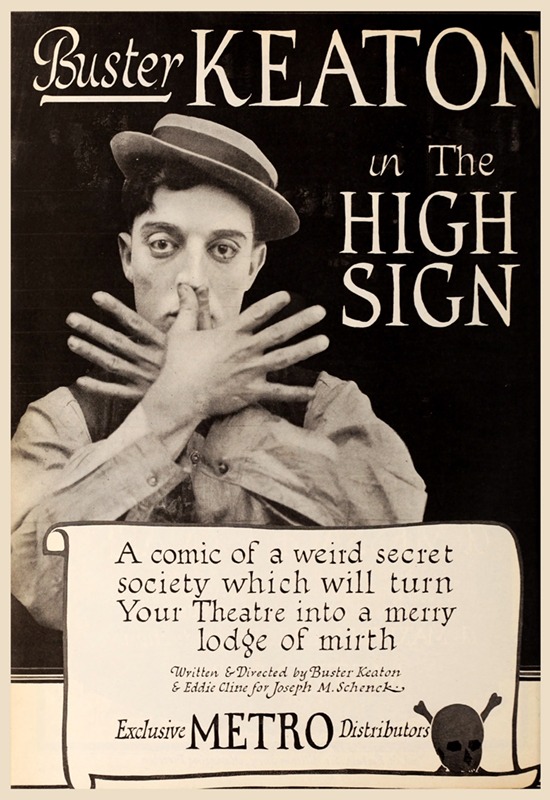
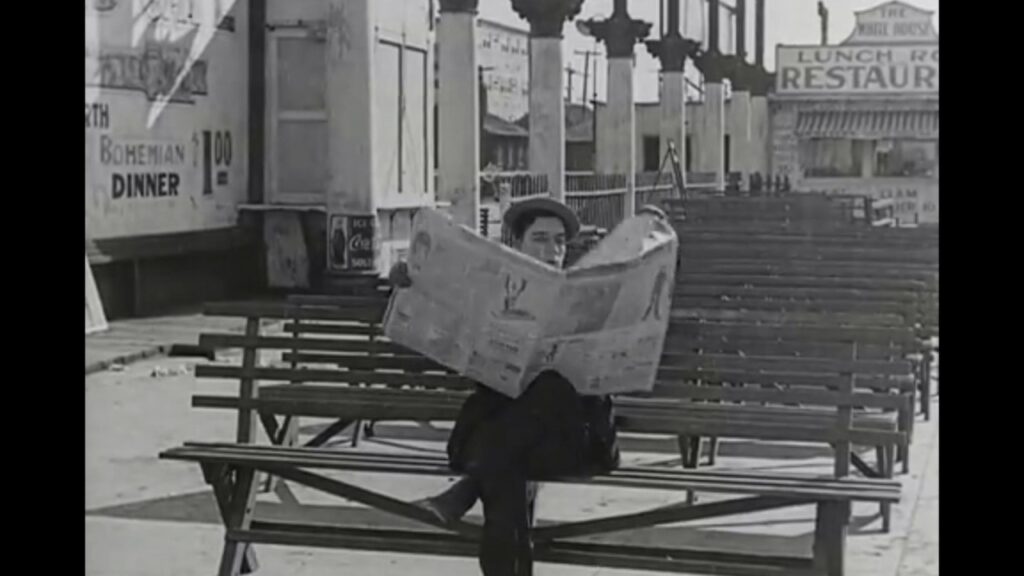
The first one we watched was The High Sign from 1921. I had only ever watched shorter clips and never the full two reel shorts before and was just as enamored by them as my son was. And if you are wondering, yes they are still funny. Early in the The High Sign Keaton steals a newspaper and then spends and entire scene unfolding it as it gets larger and larger. It’s one of the funniest gags I’ve seen in a long time. The premise of the short is storytelling gold even it it wasn’t for Keaton’s acrobatic stunts.
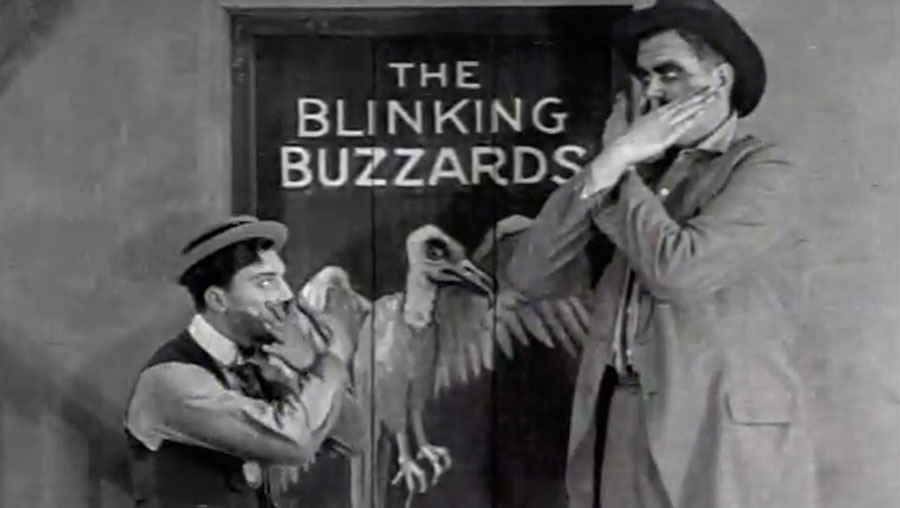
And of course my son has now made the Blinking Buzzards’ “high sign” into something of an inside joke between us since his mother has yet to sit down and enjoy these with is, and his sister is yet to young to do it–thought I’ve no doubt it’s coming.
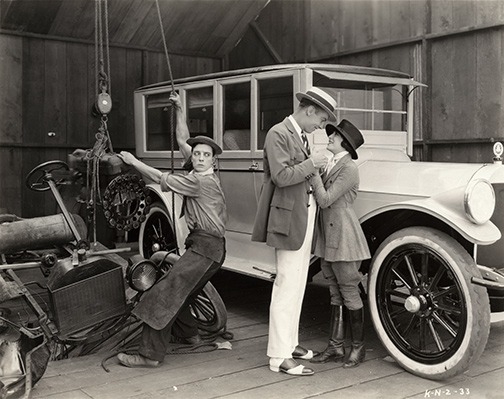
We’ve racked up a few runs though haven’t completed them all. Other gags worth noting are the cardoor gag from The Blacksmith (1922) wherein our hero is set to be hit with a detached automobile door only to survive by passing through the door’s open window. There is a collapsing stair running gag in The Haunted House (1921) that is funny no matter how many times is comes up (or down), and the ending to that short has played again countless times across descendent media (notably brought one Tom and Jerry immediately to mind).
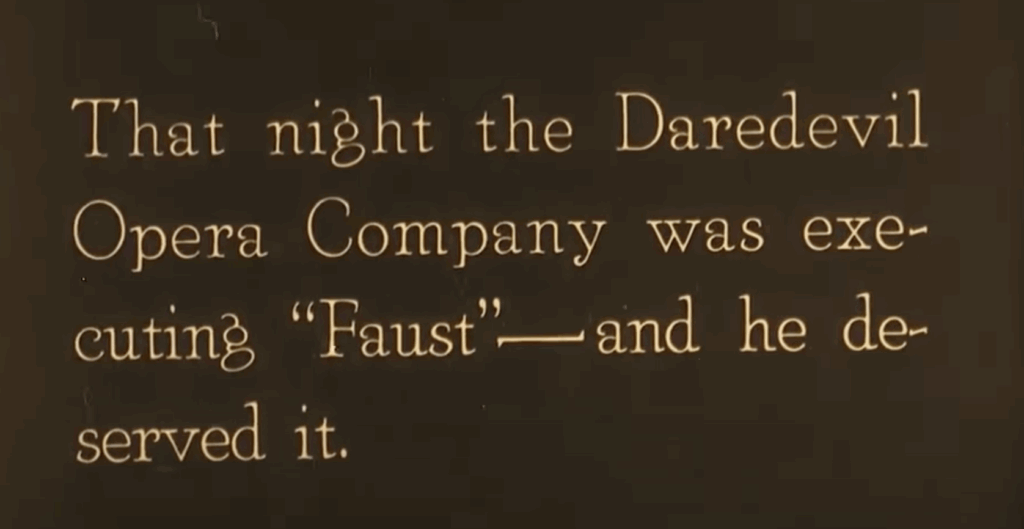
The writing in these also shines, which may seem incongruous for a short with no talking. But the card for the opera company “executing Faust–and he deserved it” is funny.
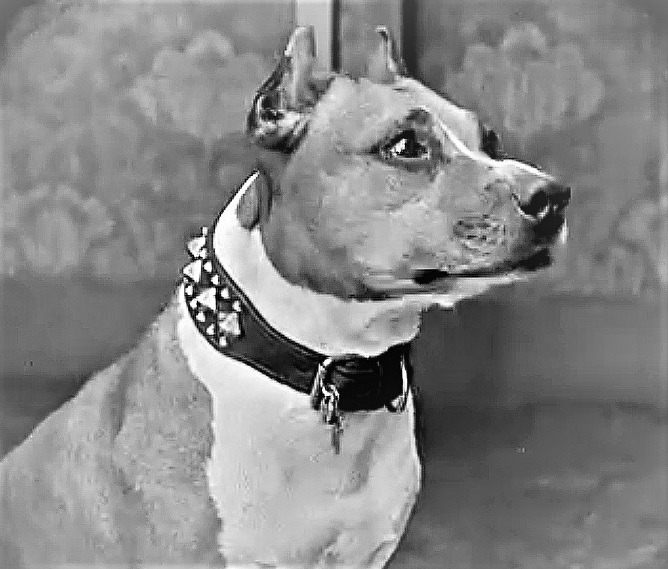
Getting a start with Roscoe Arbuckle in 1917, he also shared the screen with Luke the dog. Who was trained by Roscoe and appeared in over a dozen shorts in his own right. Because we wanted to know who the dog was, too, and he’s currently my daughter’s favorite part of any of the shorts as she excitedly announces when he is on the screen.
You can’t mention Keaton without Roscoe Arbuckle, who convinced him to make films in the first place, and some of the earliest of them together gave Keaton the opportunity to stretch his acting and his writing prowess. It’s a shame that the false accusations and multiple trials ruined Arbuckle’c career and that he died so young, there was much more he could has still done in the business that was just starting to welcome him back into the fold.
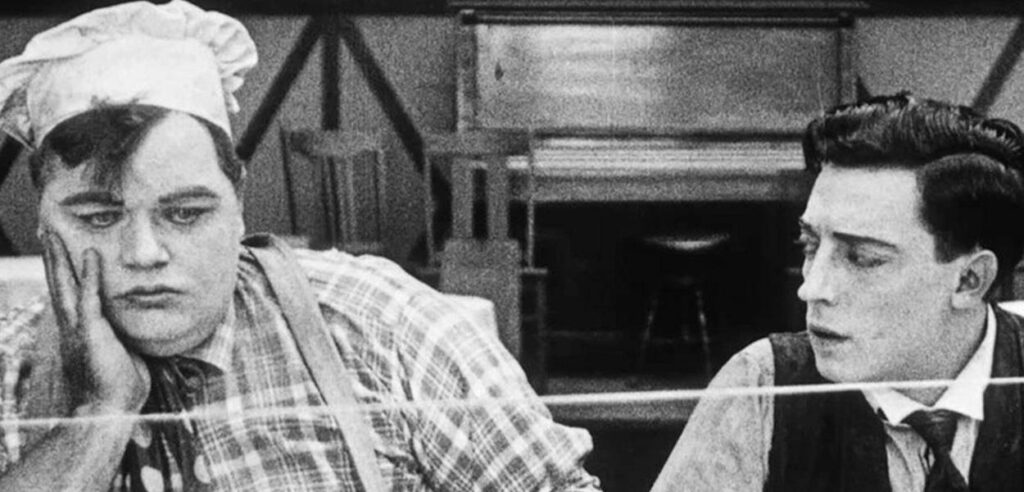
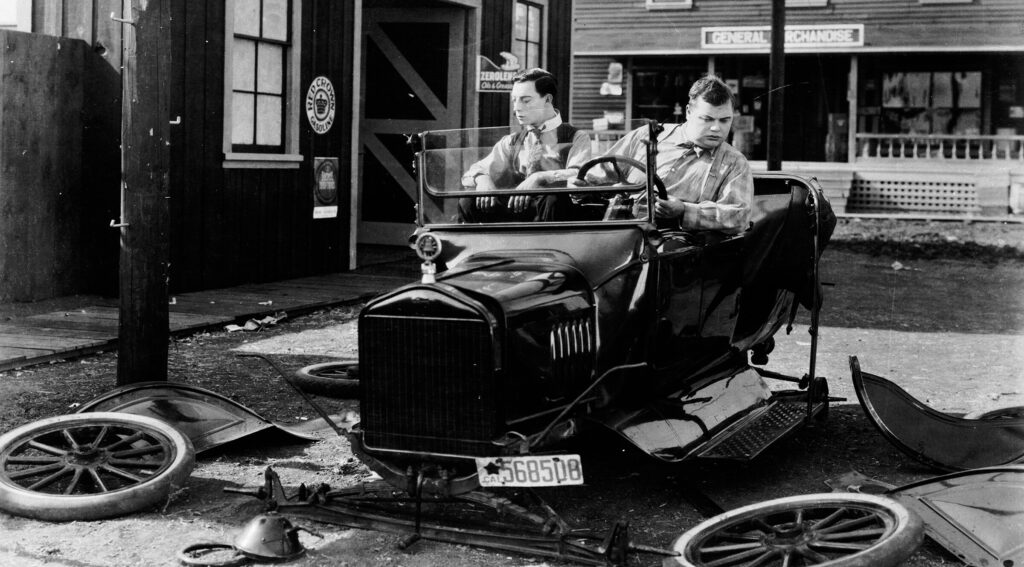
We’ve also scoured the web to find all we can about him as well if there are any other books about him. My son’s annoyed that the Who Was…? book series doesn’t have a Keaton title though he is appreciative of the Charlie Chaplin one. We did find and have ordered the 2008 Keep your Eye on the Kid! children’s book by Catherine Brighton about Keaton’s life as a young vaudeville star.
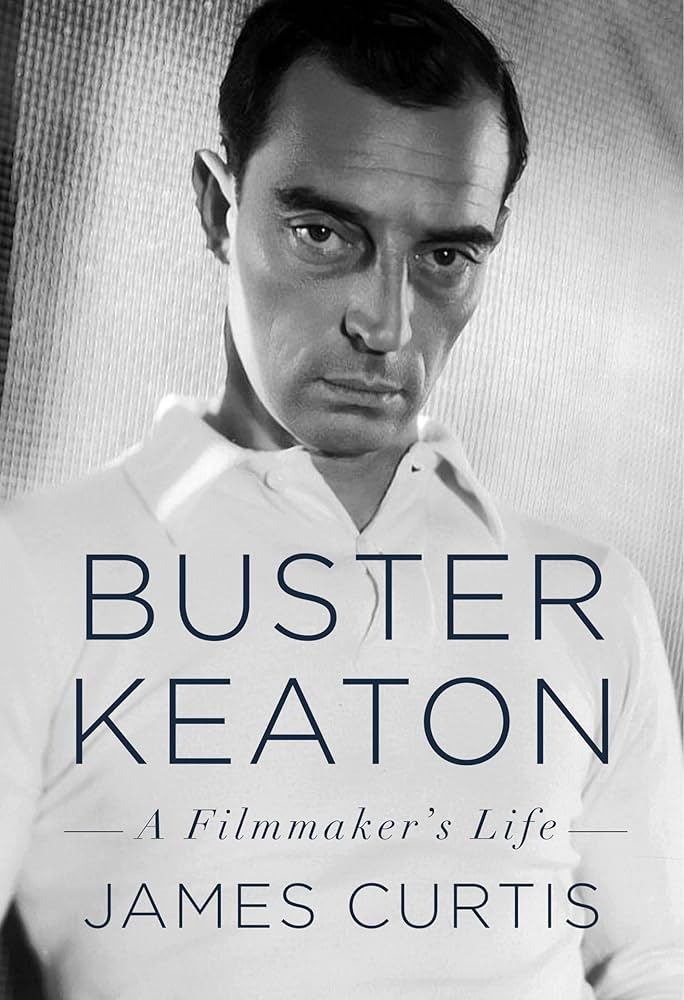
And I am eyeing the more recent 800+ page biography James Curtis published just two years ago (2023) entitled Buster Keaton: A Filmmaker’s Life.
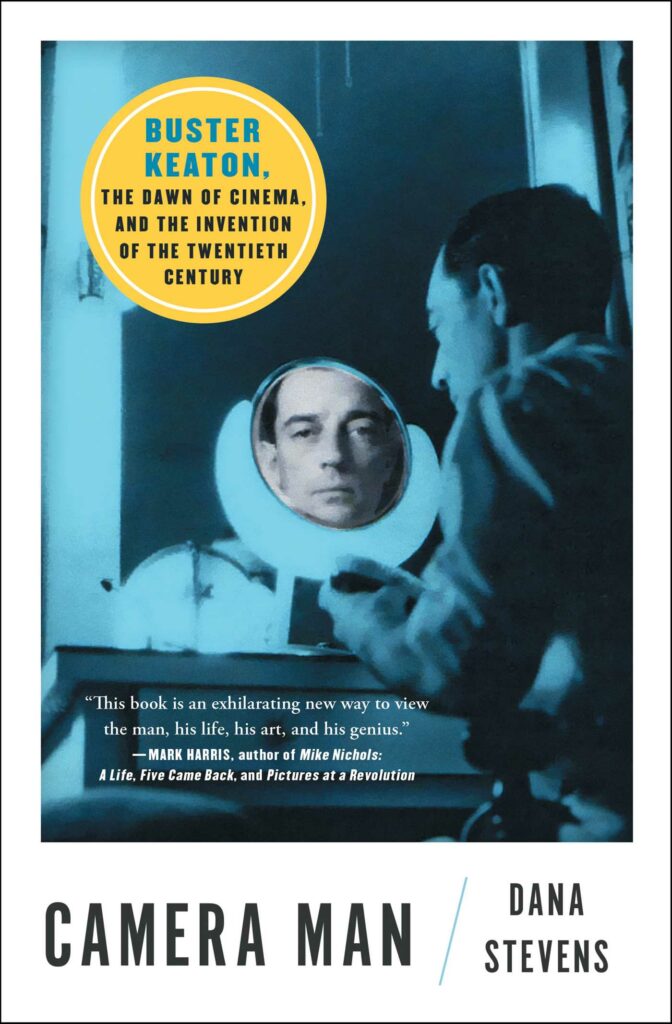
There is another one from the same year by Film Critic Dana Stevens that sounds interesting for how it tracks the early motion pictures industry around the life and involvement of Keaton. Interestingly it was the NPR Fresh Air interview with Stevens that came up in the Buster Keaton serach results before the book. (I say interestingly like I don’t know that anything with media is jumped to the top of the SEO pile).
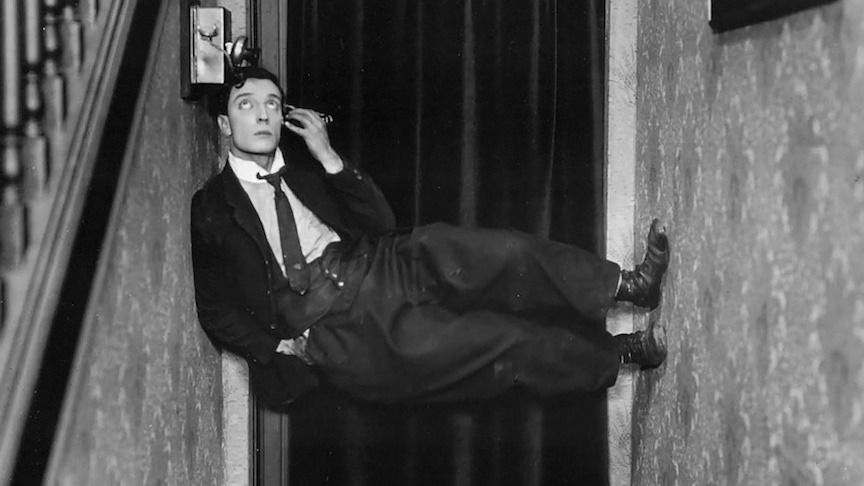
My son is also at that age where he needs to know if someone is still alive or what year they died, and how old they are/were. We looked it up and as it turns out Buster Keaton’s 130th birthday is October 4, 2025. People love to celebrate things that end in zero (or five) so it only seemed fitting to sit down and hammer out a little appreciation post dedicated to the stone-faced genius of early cinema.
I know there are hundreds of fan groups and Keaton Societies and Silent Film stewards and groups and what we have to say probably doesn’t amount to much in the din or organ music, but I don’t think there is a great compliment to the man’s talents than a seven-and-a-half year old cackling with laughter watching these 110-year-old films. Or, even better, knowingly start giggling to himself when he knows what gag is coming. And you can’t help but marvel at the athleticism and timing it took to pull off his stunts.
It’s a blast watching these, but it is even more fun watching my son watch them. I don’t know if it will be something he goes on to remember years later when I join Buster in the great movie theatre in the sky, but it’s definitely something I’m keeping close until then.
It’s also fun to read through just who all was inspired by these films and see lasting tributes to the silent era in more modern media. Blake Edwards and Peter Sellers bonded over their shared affinity for these (and other) silent films with Sellers being inspired by Keaton (it’s so obvious now, but also still hilarious) and voilà we get The Pink Panther films. Which, incidentally, led to the original cartoon and multiple generational spinoffs including the most recent (2010) Pink Panther and Pals which features its own nod to the silent theatrical arts with the short Reel Pink which introduced my son to Charlie Chaplin, but he didn’t fall in with the same gusto as he has with Keaton. But he did recognize some of the scenes used.
I’ll end with this one thought that I brought up years ago in graduate school: We all snicker at the word “talkie” for when silent films brought in dialogue but we don’t bat an eye at how equally ludicrous “movie” sounds when you think of it as it was used to describe “moving pictures.”
You can debate over the interchangeability of “film” and “movie” with your more pedantic friends. And then hit them in the face with a pie.
Happy birthday Buster, thanks for all the laughs and over a century of continuous influence.
And you did it all without saying a word.

What a wonderful and heartwarming post. It’s truly special that you’re sharing the genius of Buster Keaton with your son, and his reaction is the ultimate testament to the timelessness of that stone-faced humor. The image of a seven-year-old cackling at a 110-year-old gag is just perfect.
You’ve perfectly captured the magic of his physical comedy—the unfolding newspaper in The High Sign is a masterpiece of escalating absurdity. It’s a joy to follow your journey of discovery, from explaining the references in Morris Lessmore to diving headfirst into the world of Arbuckle and Luke the Dog. It’s a beautiful reminder that great storytelling and physical comedy transcend generations.
Your point about the word “movie” is also brilliantly funny and so true. Thanks for writing this lovely tribute. Happy 130th to the great Buster Keaton, and happy viewing to you and your family.