
Back in January this year (2025) a colleague asked if I would be on a roundtable panel to talk about creativity at the OK-ACRL conference. I agreed and it was a great little panel with a lot of useful takeaways. I ended up ruminating for months on some things I had roughly put together for that discussion.
Thankfully, that turned out to be useful as I gave a talk this past Friday at our University Libraries annual all-hands-on-deck meetup. I wasn’t sure exactly how things were going to be going into it, but I learned a lot form the aggregation of my thoughts and notes and had several people appreciate the event afterwards.
Since we had breakout sessions and not everyone was in the same room, several people expressed either sincere of feigned sorrow for missing my presentation. Since I already have most of it written down, and it would benefit greatly from having links to quotes, events, other talks that you might want to follow I am going to roll it all out here in more or less the same cohesiveness that the live studio audience received.
It was the night before presenting–and not a creature was stirring–when I realized I wasn’t certain whether the “work” in the title of this talk was a verb “Creativity at work” or a noun “Creativity at work.” Not that either changes the tenor of the prattle before you any. So, with only this remaining ado, let’s get to it.
The best thing you can do for your creativity is to go for a walk. With that in mind, log out, get up, and take one. You can take as long as you need, this version isn’t limited by the timekeeper.
The second best thing you can do for your creativity is to be bored. Boredom is essential to creative thinking, and to that end I would like to share two poems which touch on some things we are all familiar with though perhaps from different perspectives:
Poem: Marginalia by Billy Collins
My guess is that every one of you reading those hit on something different. Elements of each resonated differently with different readers. And those different perspectives are why I am here today. To talk about applying them to projects in and out of work, but mostly just life in general.
First, I want to spend some time talking about what creativity is, who has it (spoiler: everyone), and most importantly what you can do with it and maybe how to get a little better at it. Then I want to talk about two distinctive kinds of creativity: bound and unbound, and finally what is essential to stoke and support creativity in the workplace.
Being Creative
What does “creative” mean? Think about this for a moment and picture in your mind a “creative” person. This is a similar exercise to having students picture or draw what a scientist looks like. Lab coat, glasses. Are they covered in paint, are they carrying a notebook? Does your creative person have shoes?
There is a delightful Fractured Fairy Tale from Rocky and Bullwinkle called The Elves and the Shoemaker. An easel painter is done with painting and declares “I want to do something creative!” “I want to make shoes.” The elves respond separately, “We always thought painting was creative.” Later when advised to go back to painting he yells , “NEIN! (Even Ten!) he shouts “Anybody can paint!”
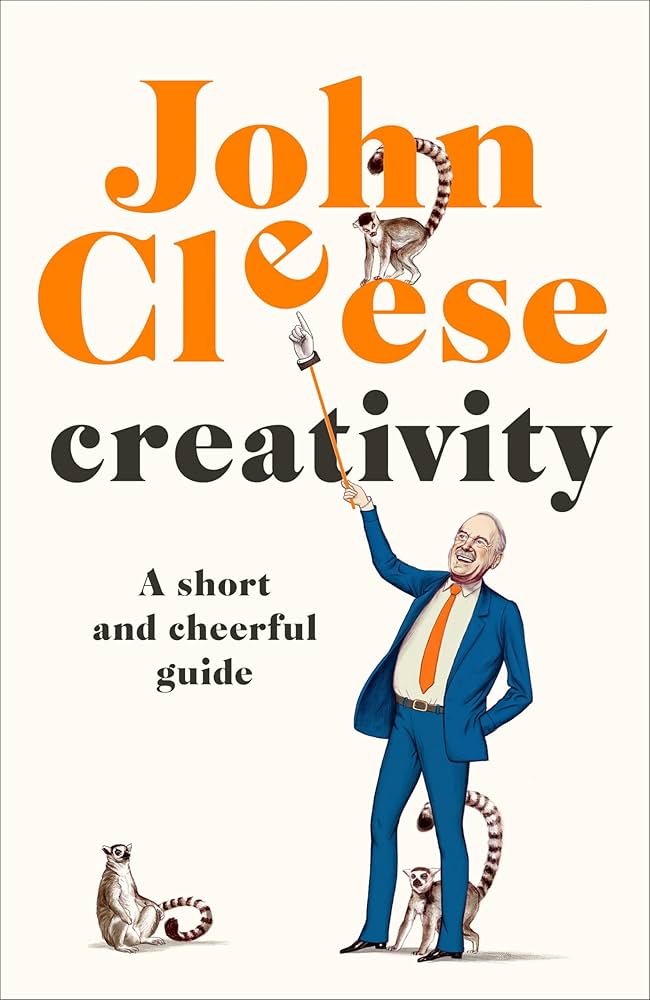
One of the best little handbooks for inspiration when you aren’t feeling creative, or when you need to broaden your definition of what “creativity” is John Cleese’s Short and Cheerful Guide to it.
And most if that is pulled and polished from his 1991 lecture at Video Arts:
Everyone has it, but not everyone exercises it. This is bad, purely because unused creativity will seep out in other forms that you might not have control over, like anxiety, which can further hinder your creativity or paradoxically can become a catalyst for it. The good news is: if you have the capacity for anxiety you have the capacity for creativity.
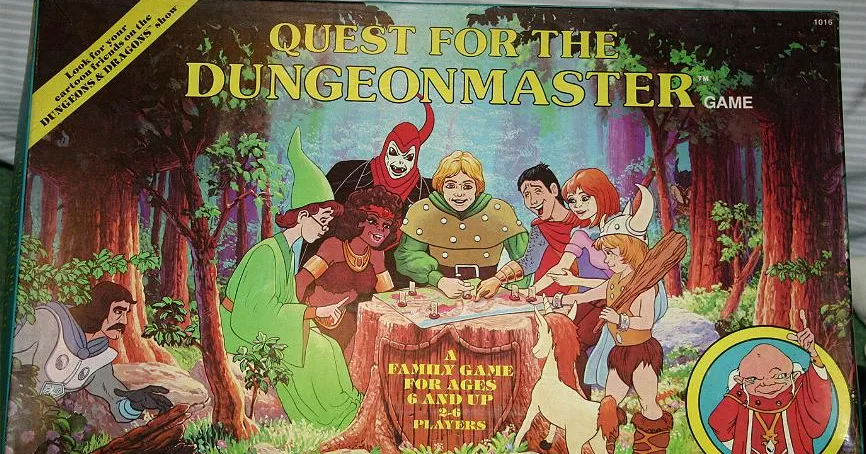
You’ve created all the worst case scenarios, every script for every possible encounter, and each “what-if” In real life this is paralysing, or at least moderately debilitating, but in the creative realm, it makes you an amazing DM orchestrating a quest. What an adventure this is!
The secret? Use it more. Surround yourself with creative people. Read books about creative people. Write things down, physically write them down. Get a notebook you like. And when you find one you really like, buy five or ten because they will be discontinued. Back when typewriters or even early word processors were the new tech if you wanted to change a word you had to retype an entire page. You had to reaffirm every letter, again. You had to recommit to every word. Those iterative steps have changed with processing on a screen with cut and paste, but it’s like genetics you can’t just change one single feature, something else comes or goes with it (curled fox tales and domestication).
Read and consume broadly. As broadly as possible (and remain sane). Take deep dives into things that interest you, The more you are familiar with, the more you have in your arsenal of creativity. Art, costumes, cartoons, books, comics, advertising, design. At least with older things.
Modern minimalism has sucked the soul out of everything. Everything from building design to logo design as suffered. This means we aren’t surrounded by as many creative end results (creations, if you will) as we have been in the past. What happened? Not only is modernity soulless, but it is also concerned more with homogeneity than anything else–save for maybe marketability. This New York Times Article Living the Slop Life posted on Monday while I was editing this, so it wasn’t in my talk, but it is too good not to share.
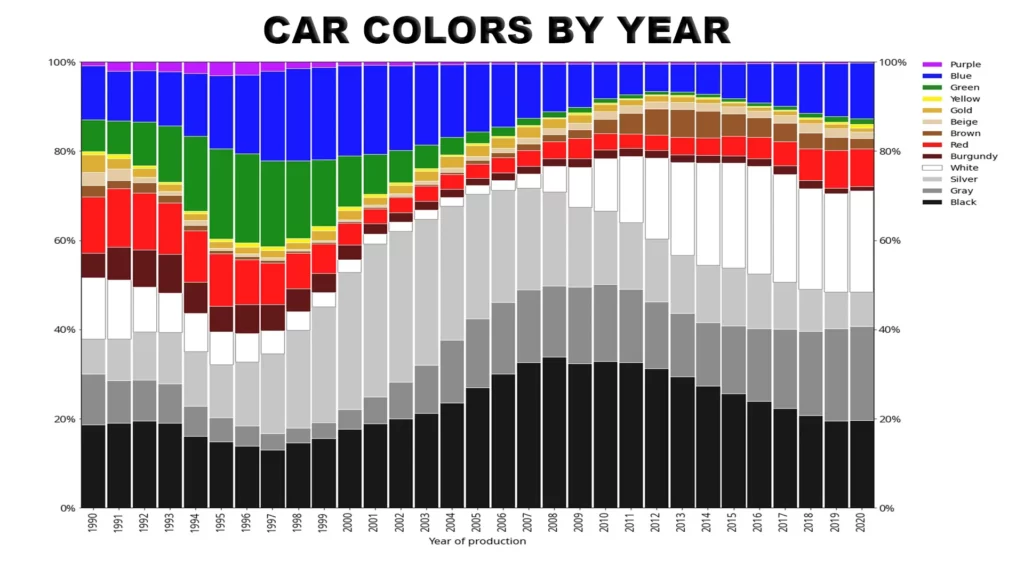
Beige houses, white cars, bland design, everyone is being fed the same imagination and if everyone has the same toolkit then no one can solve the problem. We’ve moved from bespoke tastes to “how can we sell this one thing to as many people as possible” this is what happens when MBAs take over service industries. But it is also the side hustle and resale culture. “Oh, if I bought the car the color I really wanted it would probably lower resale value,” “Oh dear, I dread to use my house for LIVING IN because I want to sale it later and make sure the potential buyers will want it.”
Sit with your thoughts. Sit with yourself. Marketing videos from as far back as 1986 (and likely earlier) tell you to sit with a problem in silence for 30 minutes to an hour. Just you and the problem. Thinking it out.
That’s what I mean about boredom being essential to creativity. It’s in that silence when your brain shifts from passive to active mode. When I was on the roundtable for OK-ACRL conference they asked for parting thoughts on how to be more creative. I said then, and I still stand by it, that the first thing you can do to instantly get your brain back into a creative, active mode is to take the little electronic rectangle you have on your person, grasp it firmly in your dominant hand, rotate quickly in the appropriate direction and hurl it into the closest body of water.
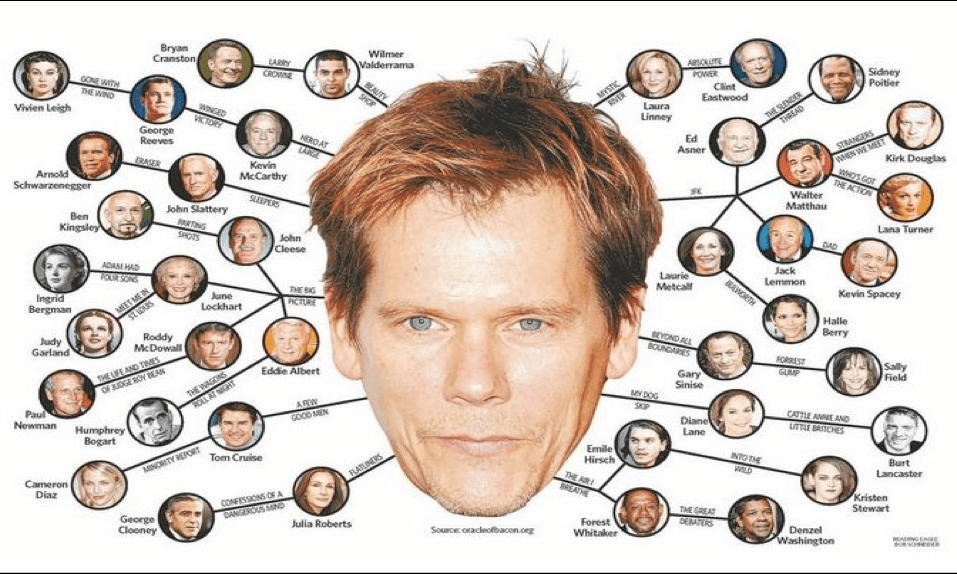
“But that is where I get my inspiration?” Is it? When was the last time you looked at your pinterest board (though that’s all going under as companies like Pinterest and Paypal are outsourcing(?) moderation to AI). When was the last time you sat down with an album and listened to every song, in pinterest order, without a distraction? Most modern albums aren’t albums in the thematic sense, they are a collection of singles. Or we have just random singles on our electronic media devices, or streaming services, We’ve curated ourselves out of creativity. When was the last time you watched a movie without a device, or checking to see if that actor is that guy from that other thing you know?
Back to music for a bit. Think about when it became the background and not the experience. We turn it on, never hear anything we wouldn’t have chosen, and then half listen to the stuff we do like. When did we get so unsettled with ourselves that we needed constant distraction. Before we had kids I used to get up, check my emails and then go for a walk to think about how I would address the issues or projects that day. Even if something was going asunder, usually by the time I was done walking I had at least a plan of attack for the day.
Creativity, explained by Billy Collins in the video below, is mixing the ingredients of influence so well that you can’t quite trace the taste back to the spice rack, “is this tarragon?” He also dives into the idea of “finding your voice” as the phrase in writing goes. This isn’t something that is inside you that you have to search deep down for, your voice is out on the shelves of your library, in the media you’ve consumed, you take your experiences in and you mix it in a way that only you could and you send it back out into the world whether it is writing, painting, art, dance, music, or some combination of those.
What creativity is is imitation and emulation through the sum of your talents. And what inspires imitation is jealousy. Not in the vain or mean sense, just jealous that someone else has done it and you want to, and you could. It drives you to the “should” part. When Hunter S. Thompson was first starting out writing he sat and he copied lines from Hemingway’s books. He said he wanted to know what it felt like to write that way. Much the same way that art students should “copy the masters.”
As Billy Collins says, Academics call this “influence.” And when you start your influences and your imitations are vast and sundry. You commit travesties in copy of so many, but you start honing and whittling away at who your influences really are. Which ones matter most to you, which echoes are the loudest in your own work.
Two final examples on creativity, influence, and current events:
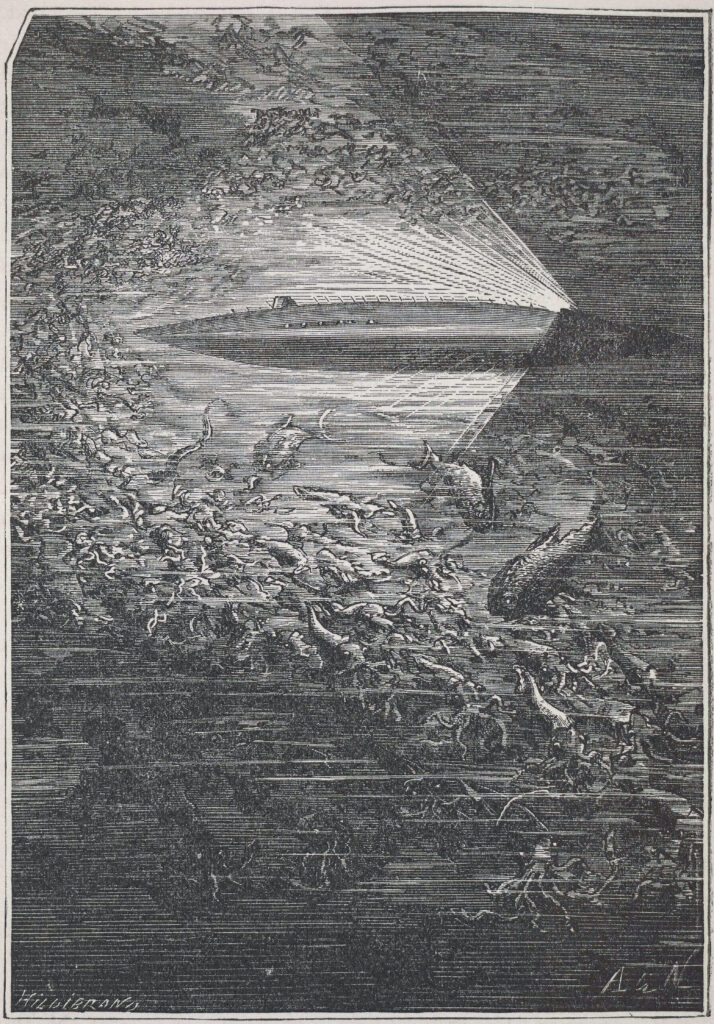
Jules Verne is always touted as a visionary, ahead of his time, especially with things like the Nautilus. He was actually of his time, and very involved and informed in his time. His notes show that he had attended several presentations about submersibles at Paris Expositions. What Verne did was to jump off past the testing and the further research and development part and put the finished full-fledged model into his novel. He drove the what-ifs. Starting with “what it if works” and then scaled it up. A Lot.
Wells, (H.G. not Orson), was much the same way. His works are contemporaneous social commentary dressed up as he said in a letter “in new and clever ways to kill my neighbors.”
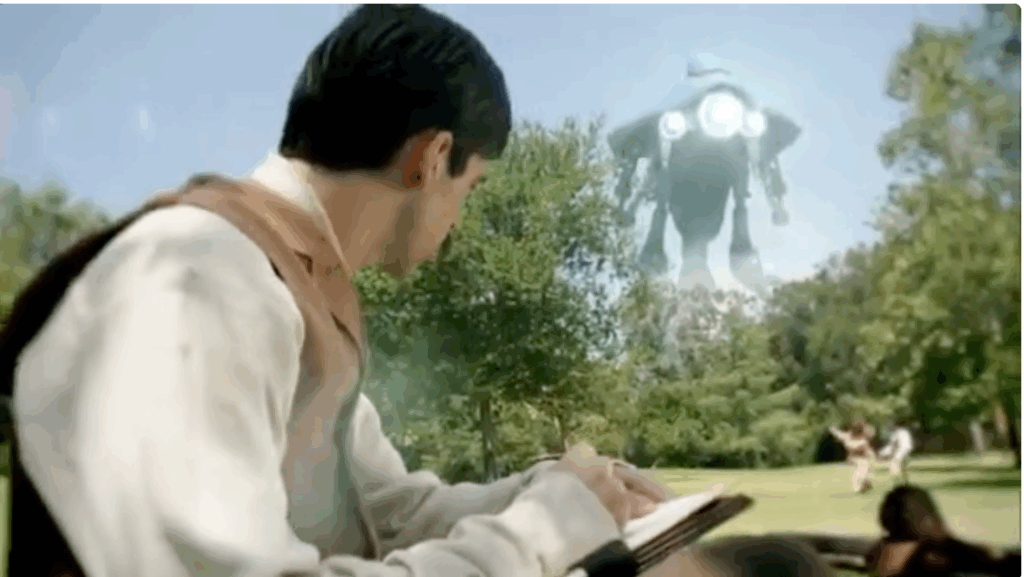
So, be aware, current events, news, discoveries, breakthroughs, etc, NOT the telenews, at least not the ones that are ratings driven, step away from the talking heads and get down into some journals, popular magazines like Science Illustrated, or something. I recommend reading The Week which you can get through your public library via the Libby App. And if you are suffering from news fatigue or just want a version of that that has cooler things in it, I recommend The Week Jr. The paper subs are the way to go but I know that cost may be a factor.
Bound and Unbound Creativity
This is the part I think I have found most useful in my life and work, but also something I haven’t’ seen anyone else talking about, at least in these terms. There are two distinct types of creativity: Bound and Unbound.
The open canvas vs a limited palette.
Think of Dr. Seuss’ first books, McElligot’s Pool, Mulberry Street, were unbound, that is, no limiting factors in words, colors, length, etc.
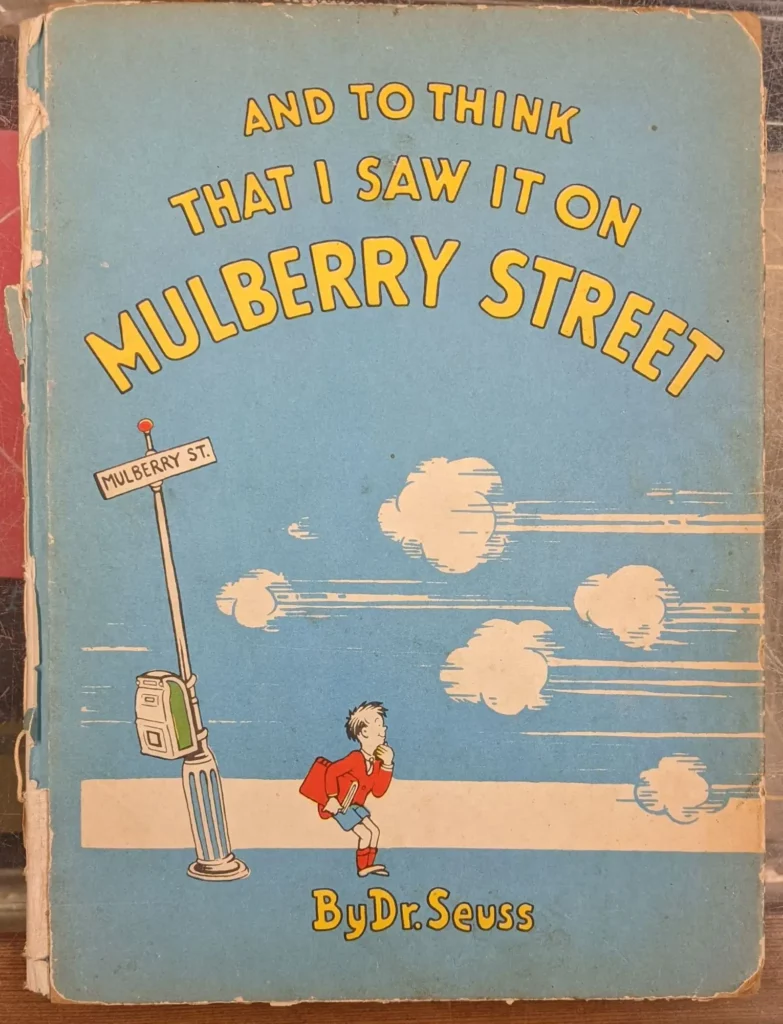
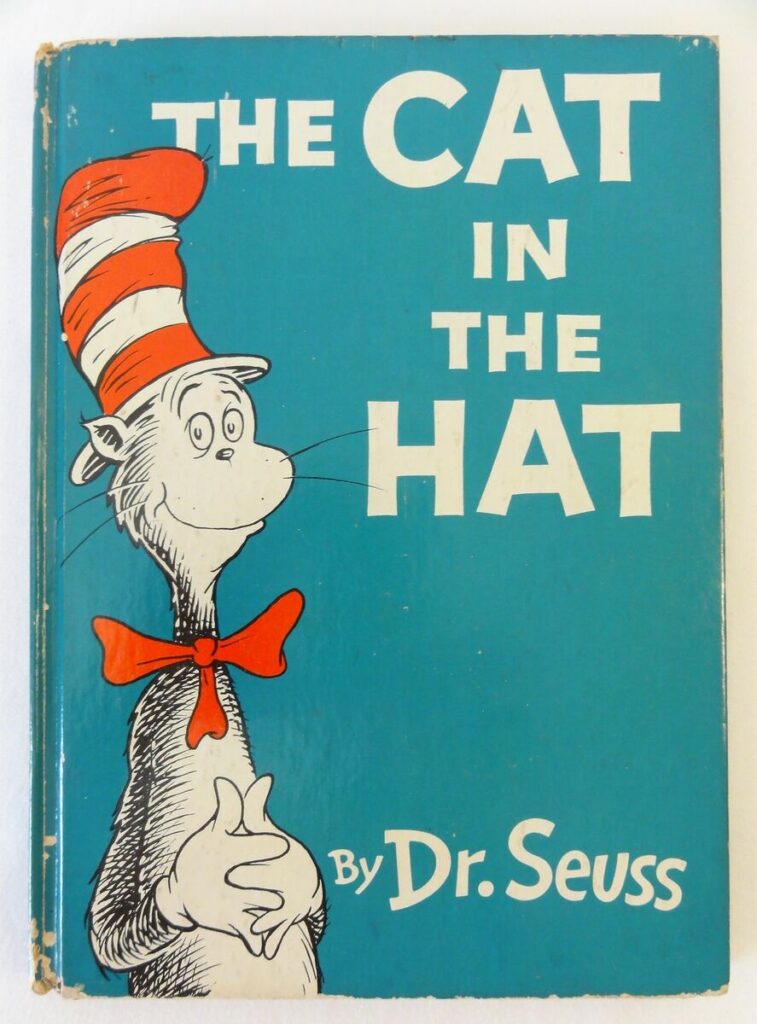
vs his restricted (bound) word list for The Cat in the Hat. The original list had 348 words he could use, it was narrowed to 236, and he ended up using 233.
Ken Robinson gives the example of a creative test of uses for a paperclip. A normal human may find 10 or 12 other uses for one, Jonathan Winters and Robin Williams skew the average, but that is bound. Unbound are the type of people who ask well can the paperclip be 200 feet tall and made out of foam rubber?
The Divergent thinking animation above is a slice of a much longer “Changing Paradigms” talk Robinson gave at the RSA in 2008:
Weird Al’s parody songs: bound or unbound? The limiting factors are the time, the beats per minute, rhyming scheme, the key, but he also writes his own songs with a bit more free form to them operating both within some confines, but then shakes off his fetters for a few songs each album.
Exhibits and curation specific, and likely what you’ll see in your projects, is that you start from a slightly unbound (this is why i don’t call it boundless) position of ideation. But when it comes to production you get increasingly bound by, well, everything. The physical restrictions of the spaces, the material you are working with, the fire marshal, the persistence of gravity. You have to work within those confines to implement someone else’s less confined vision.
The main two approaches here are: You have the things, physical objects, books, papers, cursed objects, reliquaries, whatever, and you work to find, force, or circumscribe the narrative that binds the objects together.
OR
You have the story you want to tell and you find or create the things which complement, illustrate, or exemplify the narrative.
Sometimes the bindings can shift based on scope.
Essential for Creativity in the Workplace
Now I am granting , going in here, that there isn’t a lot of creative unbound freedom when it comes to cataloging or creating metadata or shelving materials where they can be found easily. BUT stick with me on this, there is still the need for humans working on the stuff that humans will be using to find their sources.
The one thing that keeps creativity alive in a work environment is the freedom to fail. Having the latitude to make mistakes is the surest way to have a team come up with very good things.
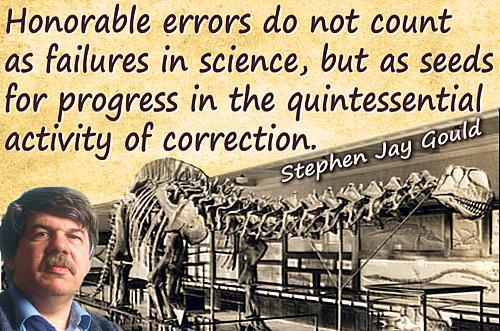
Failure moves forward; but it also hurts the bottom line (remember those MBAs again). The project’s ego, timeline, and/or budget, can all be limiting factors to work under but how they are managed can turn them from an asset to a liability and completely stifle any attempt at trying to manage a workflow better, or make something more efficient, or anything other than just do the thing the way it has always been done.
“Well that didn’t work, but what did I learn?” is the way to frame the “failures” into more productive conversations and to support lateral thinking within a project group.
Trust is another huge factor in organizational settings, trusting the ideas, the person, and the process.
It takes time and iterative steps to be truly good at anything. The same is true for creativity, it’s a muscle and a talent, one you can hone through practice, and you’ll find it easier and easier to do. And because everyone mixes their ingredients a littler differently its imperative to have everyone on a team involved. And to keep some of the rigidity out of the finished project. New ideas will come throughout the development process and you want to have some leeway to implement them. Remember: If the end is already fixed and rigid then that is not collaboration, that’s delegation.
Creativity and A.i.
I know Ai is here to stay, much in the same way as the flu. But ChatGPT is really hammering on the creative people that I keep up with. It’s coming through into everything now, students use it to cheat, professors are using it to streamline their course material while telling students not to use it.
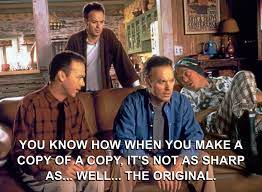
There are now people calling themselves AI “creators” which removes the process from the commodity. Environmental costs notwithstanding it is currently scrubbing and cheapening everything available on the internet. Copying and remixing because someone wants to see their family as if they were drawn by Studio Ghibli. Artists have banded together and are uploading their content online through a program called nightshade which scatters the images when they are scrubbed, another for for text scrubbers is called Tarpits, and Poisonify for music. We used to get differing google search results before Ai summaries gave us all the same first paragraph. But it’s also scrubbing misinformation and shitposting. One was whether Marlon Brando was in Heat, as in the film, but it said no because “in heat” meant animals were ready to reproduce and didn’t apply to dead people. Others are now scrubbing copies of copies and like Michael Keaton in Multiplicity when you make a copy of a copy it’s not as sharp as the original.
Eventually the snake will finish swallowing its own tail. Neil deGrasse Tyson said by 2028 or so even the people who believe deep fake videos now won’t believe things on the internet, mainly because it will go against their inherent beliefs and that the information superhighway will collapse back on itself and just be for cat videos again.
I highly recommend artists or creators of any kind to watch the animated video of Stephen Fry reading a Letter written by Australian Musician Nick Cave in ChatGPT: The Soul Eater. But I haven’t heard a better take from the creator’s side.
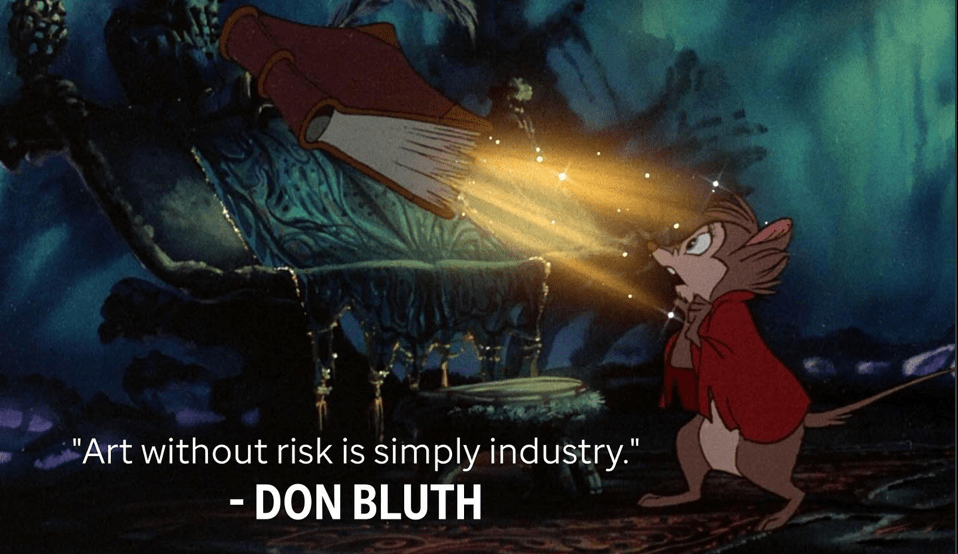
Through this we must begin to delineate between “artifact” and “content,” between “creation” and “product” and between “made” and “output” It’s no longer semantics or word choice, but like Nick Said in the closing of the letter “for we are fighting for the very soul of the world.” Back when working on The Secret of Nimh Don Bluth had a great quote, mainly digging at the changes in animation Disney was adopting (and why he and others left): “Art without rick is simply industry.”
The Nick Cave letter animation ends with the quote from Paulo Coelho’s The Alchemist, which I think is fitting here as well:
“The reward of our work is not what we get, but what we become.”

The paper-clip of a different size reminded me of an article I read awhile ago, which nicely I was able to track down again, about what would happen if the entire world were made of blueberries.
https://www.scientificamerican.com/article/what-if-earth-turned-into-a-giant-pile-of-blueberries/
Well that was fun. Little do you know that I have a post on the Cloudy With a Chance of Meatballs books sometime later this year.