
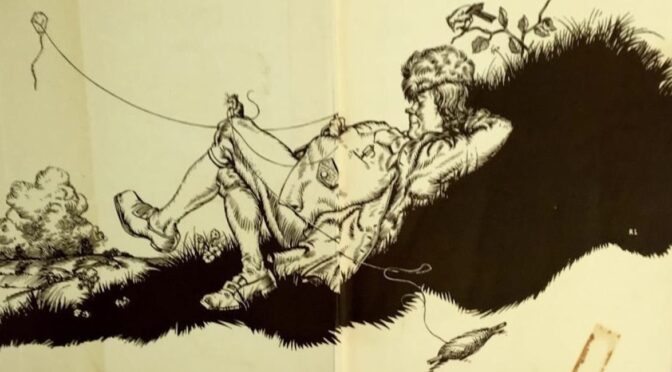
Today marks the 320th birthday of America’s favorite statesman, diplomat, scientist, and inventor. Having just missed posting Keaton on his birthday and Darwin on the annIversary of the Beagle sailing (and my new strategy of working across multiple days in drafts and not all at once) I am setting this one down. So here we go, on the correct day and in celebration of an American who has more books about him than he would have candles on his cake.
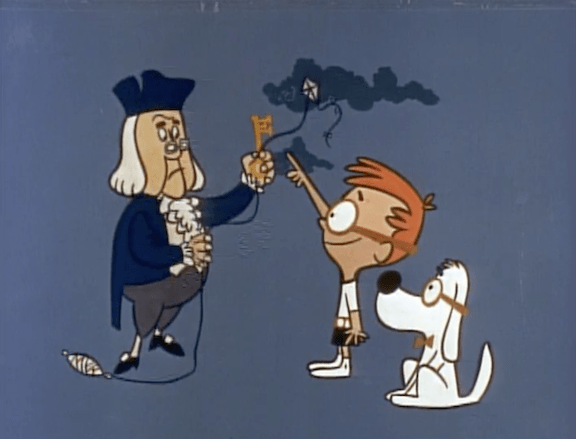
You may recognize the first half of the title as the title of an extremely popular Disney short. I didn’t realize just how popular it was until I started building the Benjamin Franklin portion of the 250th Celebration exhibit here at the library.
You may not know that it is based on a book Ben and Me by Robert Lawson. Or that Lawson wrote another tale in the similar vein told by Paul Revere’s horse (Paul Revere and I). And maybe this is where I got the idea of writing about paleoanthropology from the viewpoint of the Leakey’s Dalmatians or what Trey thought about all that exploring and fossiling along the Jurassic Coast , but I digress.
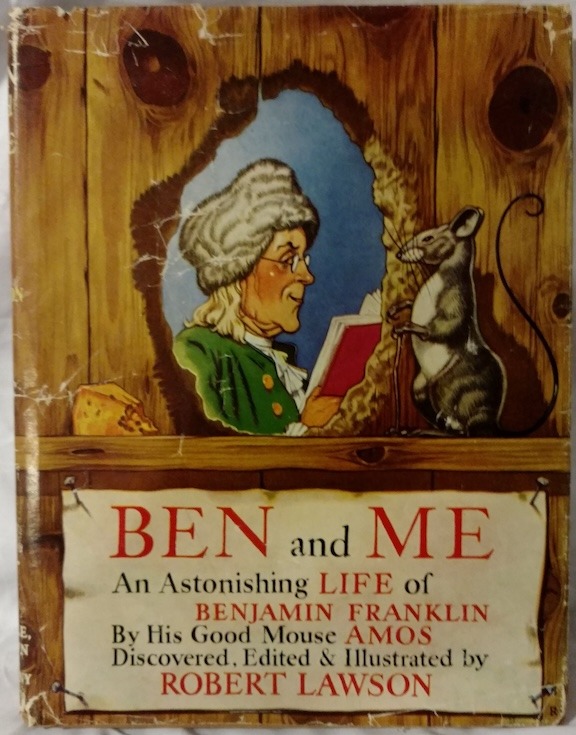
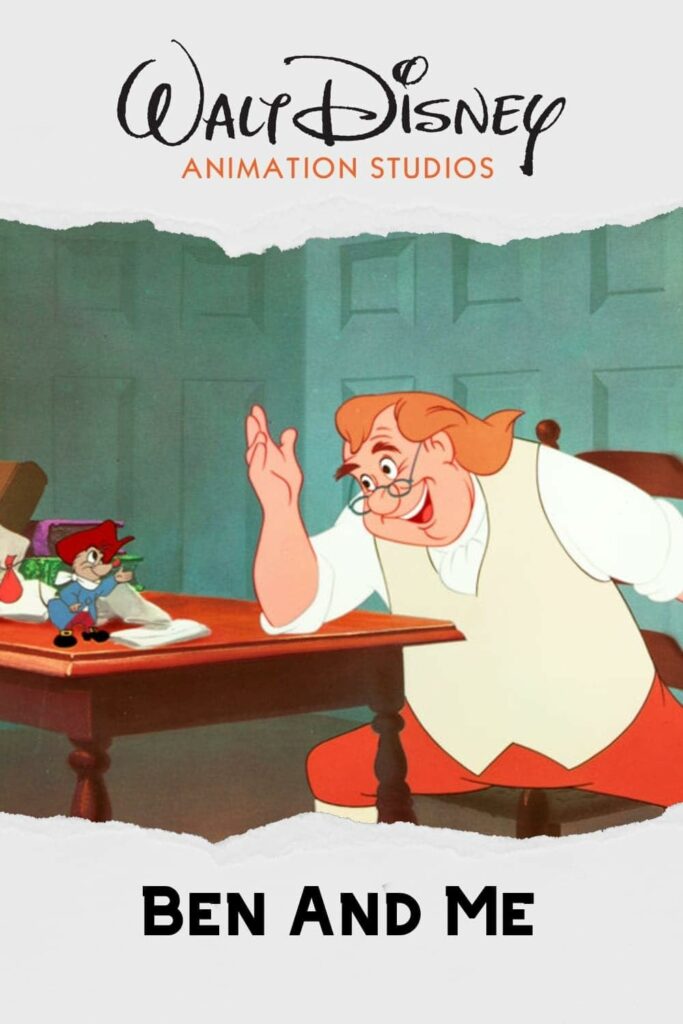
What I didn’t know until recently was that it was also a comic book and a Little Golden Book.
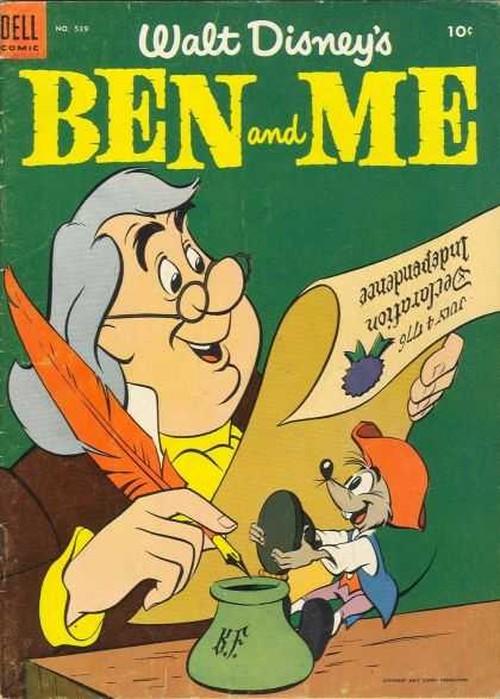
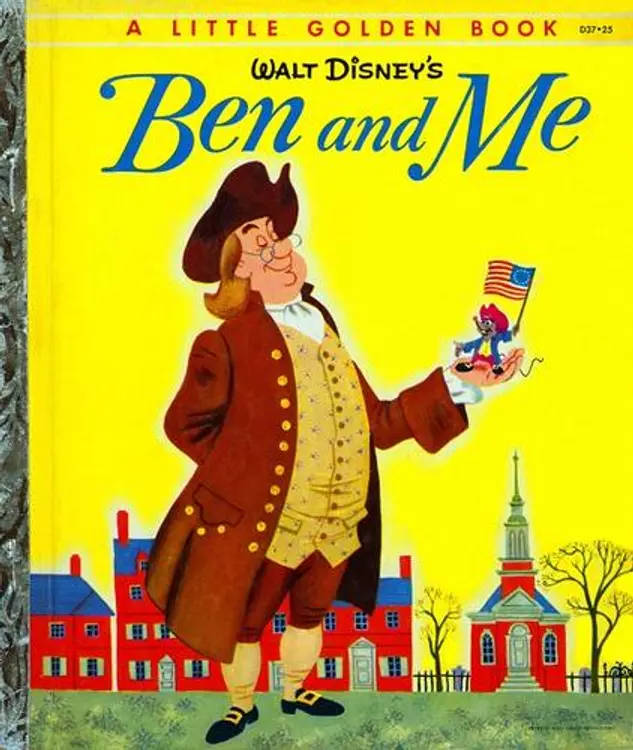
I’ll wager that anyone of a certain vintage or geography outside of Philadelphia, will call this as their first exposure to Mr. Franklin. And it’s not a bad start. I still love this cartoon and oftentimes find myself quoting Amos’s contract writing while I am composing emails (“Will not tolerate…” and “binding, simply binding!“). If you haven’t happened upon the book do yourself a favor, it’s a quick read for an adult, a good read for a middle grader and a fun read aloud for younger kids, and the illustrations are magnificent.
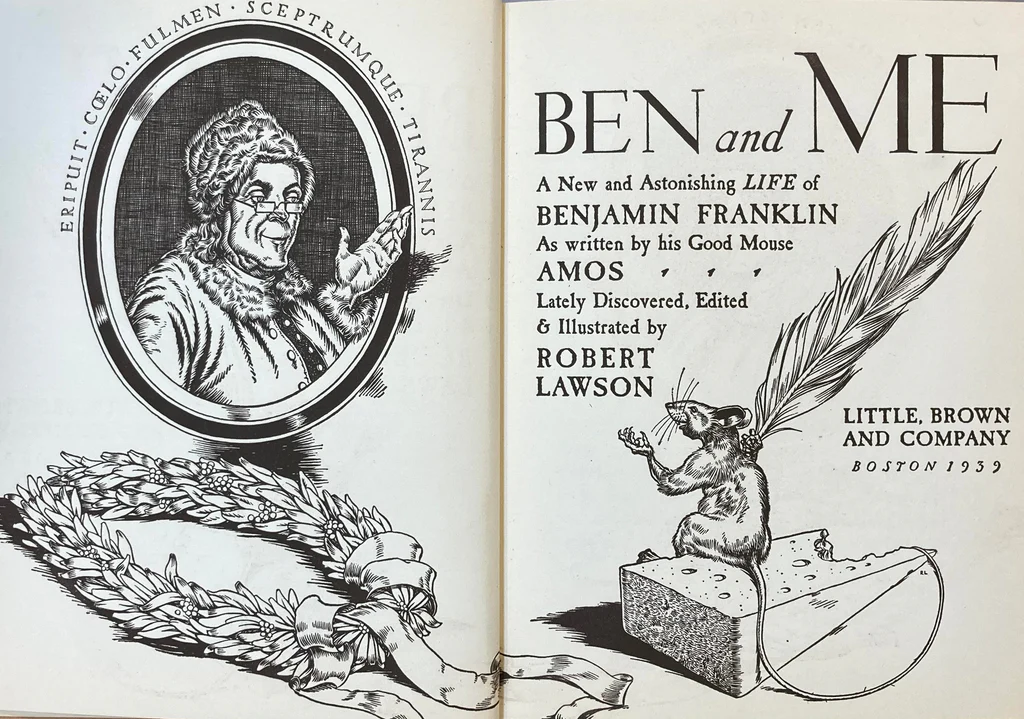
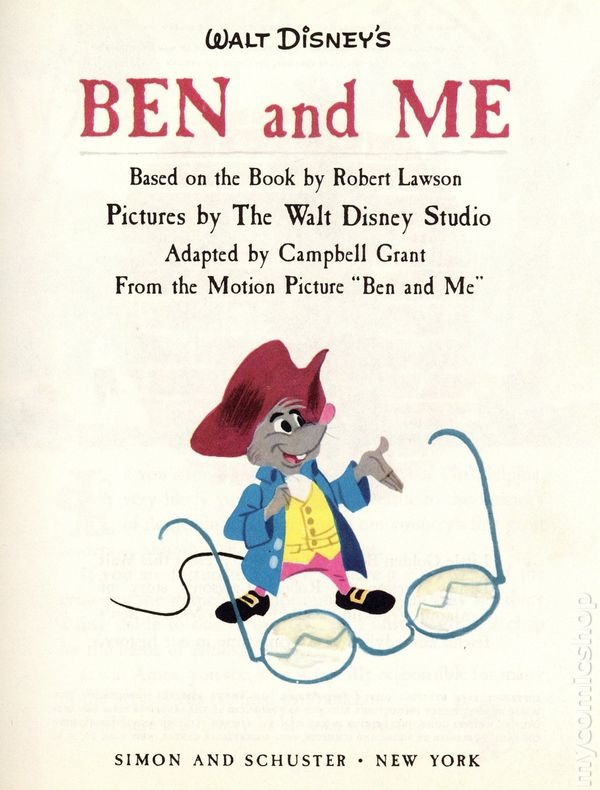
Though one does miss Amos’ tricorn hat, waistcoat, and jacket.
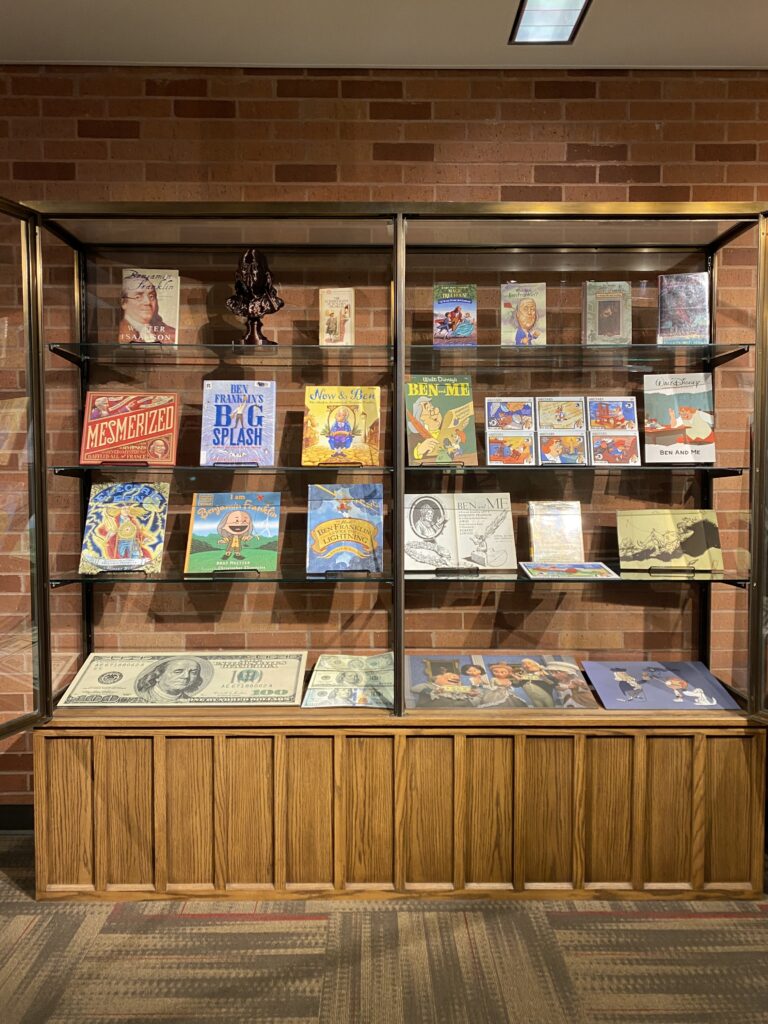
Today there is a panoply of Benjamin Franklin books out there for young readers and one can only wonder at what Ben would think if he could he read them all, for knowing what we know about him, he certainly would read them. I’ll run them down for you in no particular order. (none of these are linked to purchase anywhere as I am not affiliated or monetized this nonsense. Find them where ever you buy used books, or your local library).
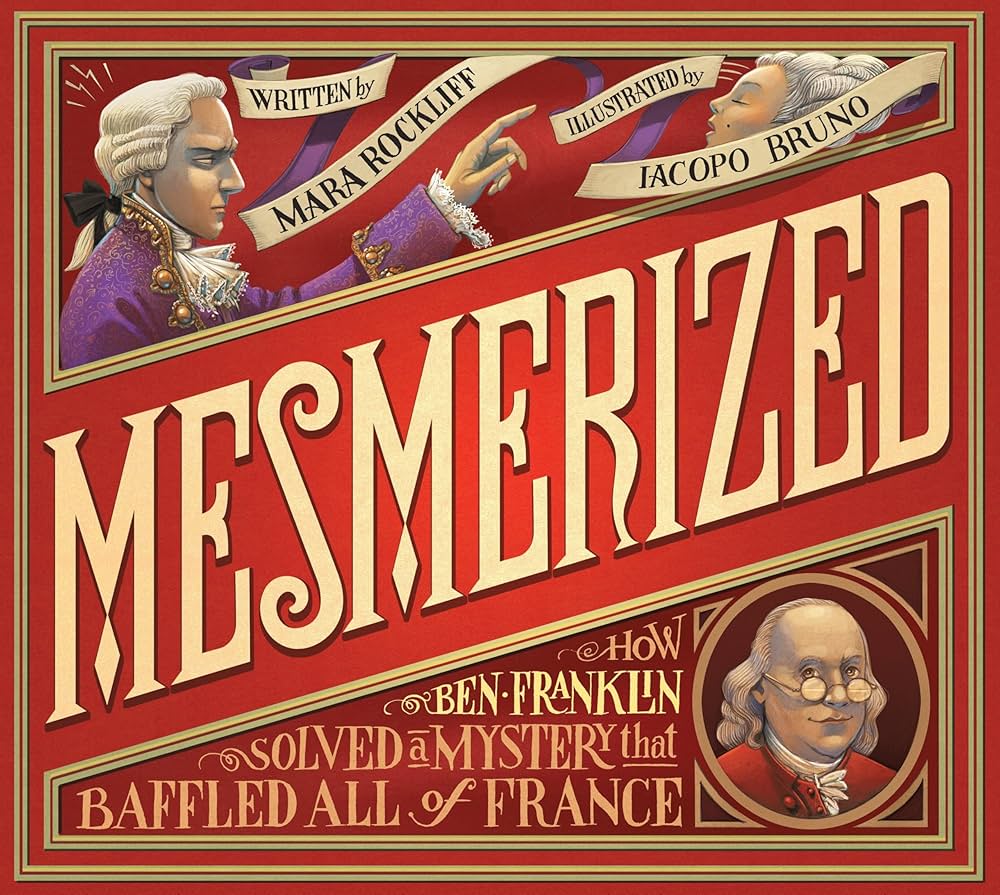
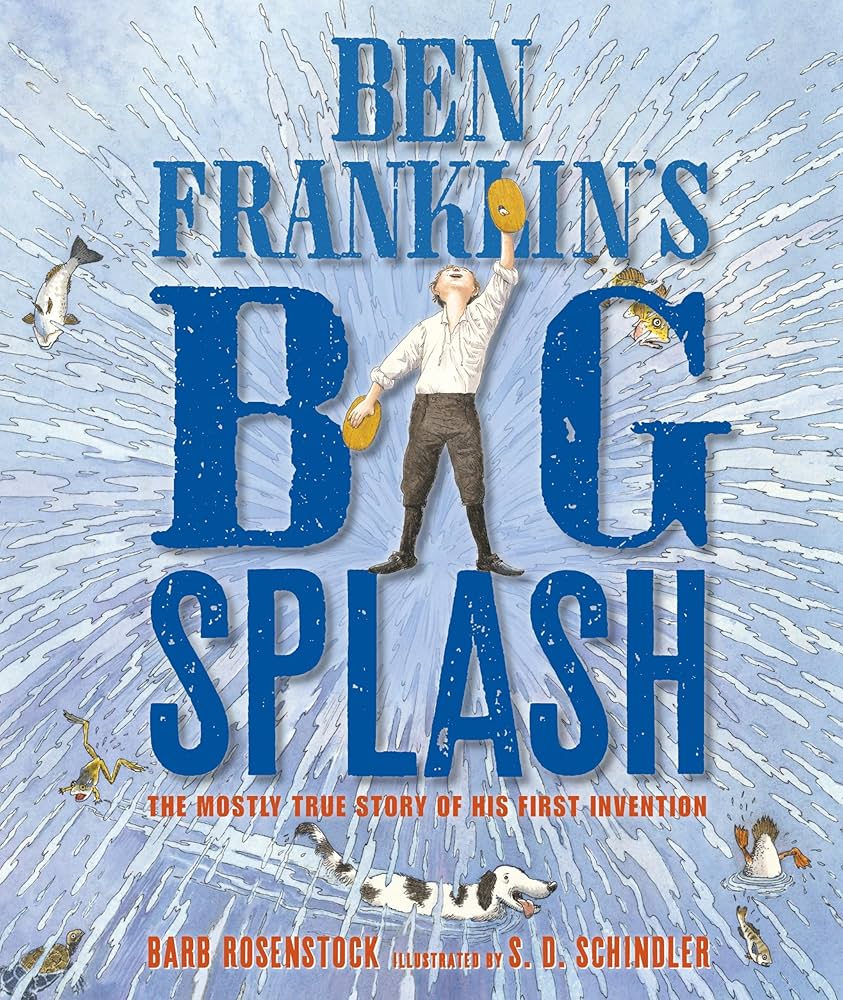
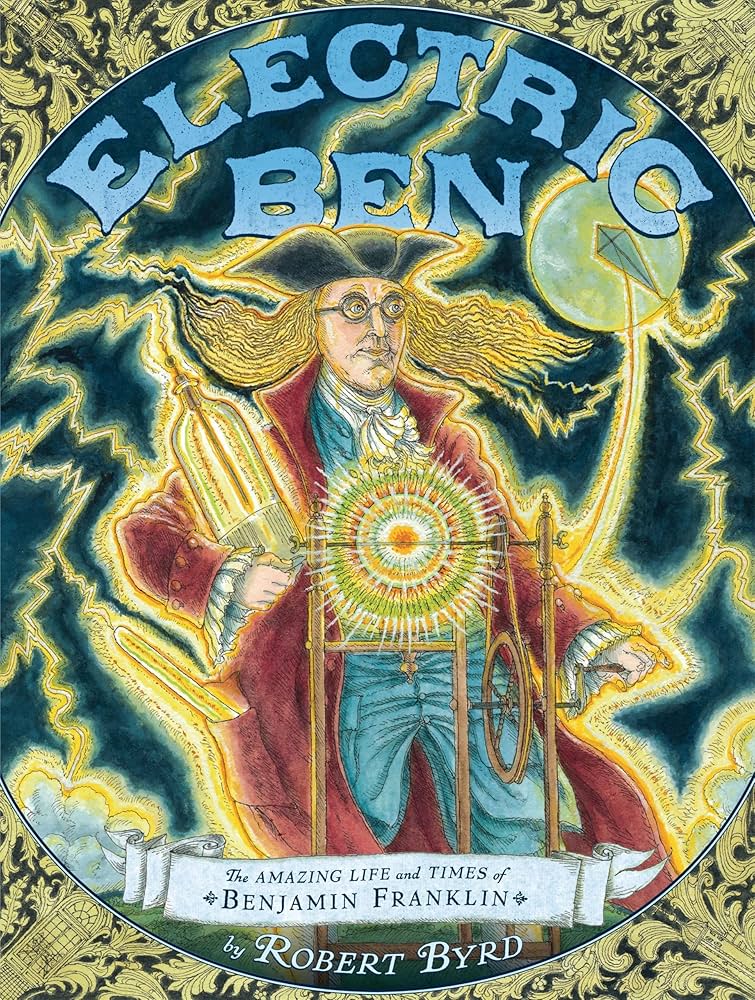
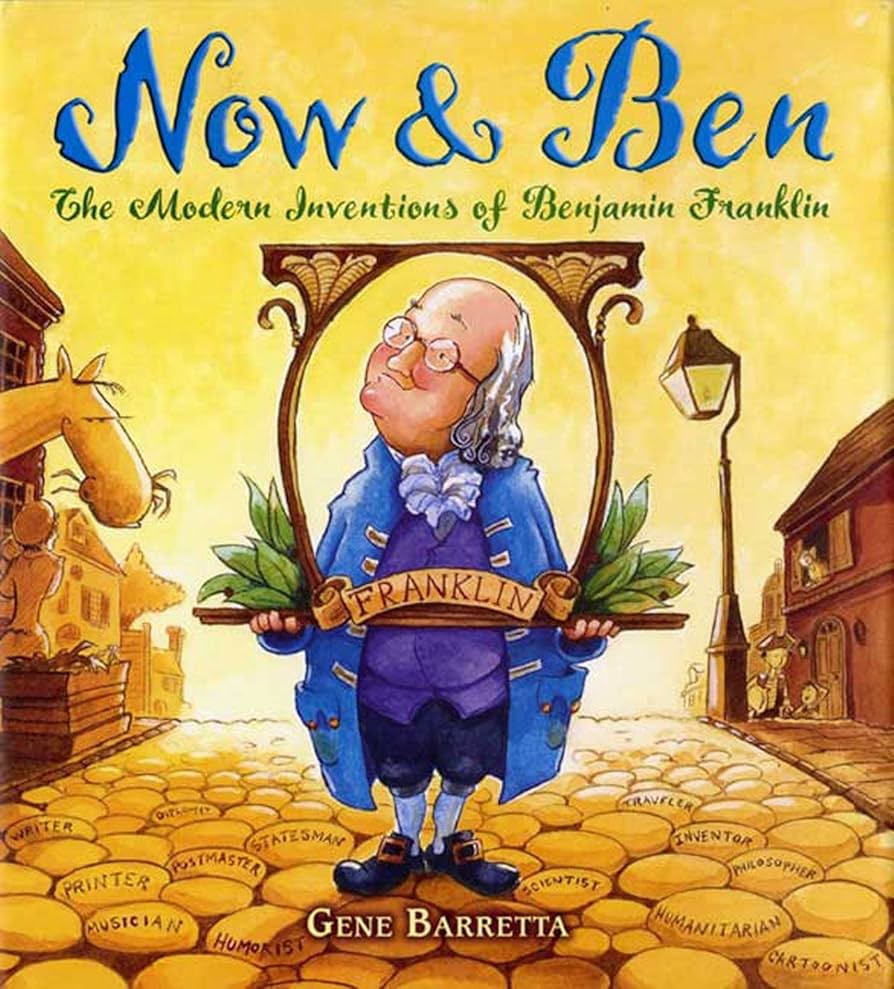
These are all wonderful books to read with younger kids and really for kids reading on their own. But moving up the lexile ladder and into smaller formats for that slightly older group you have the standard bighead biographies (aka the Who Was…” Series).
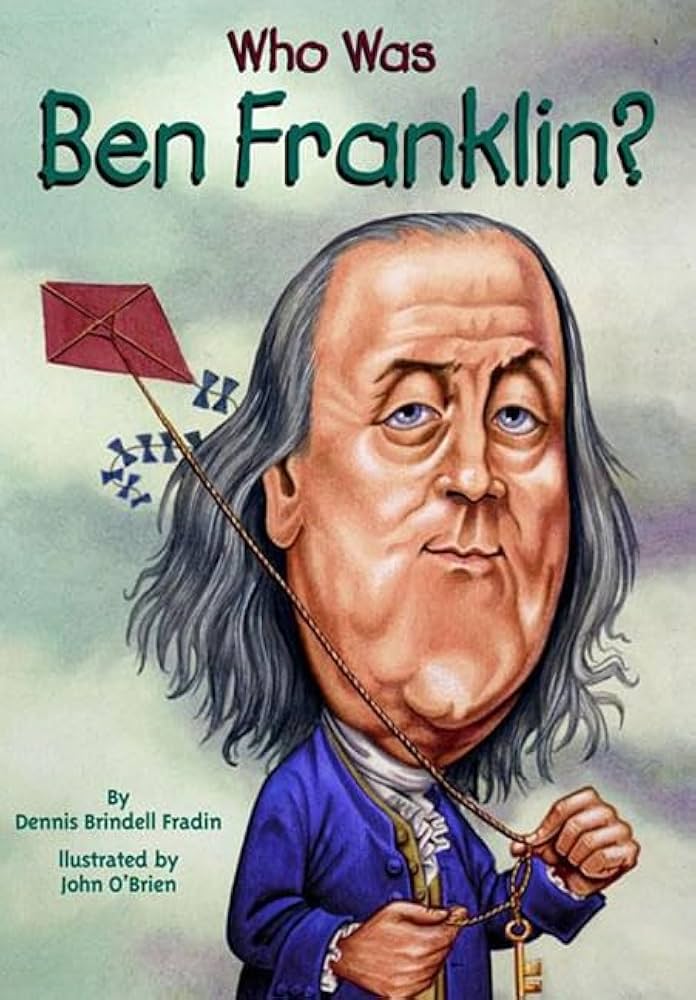
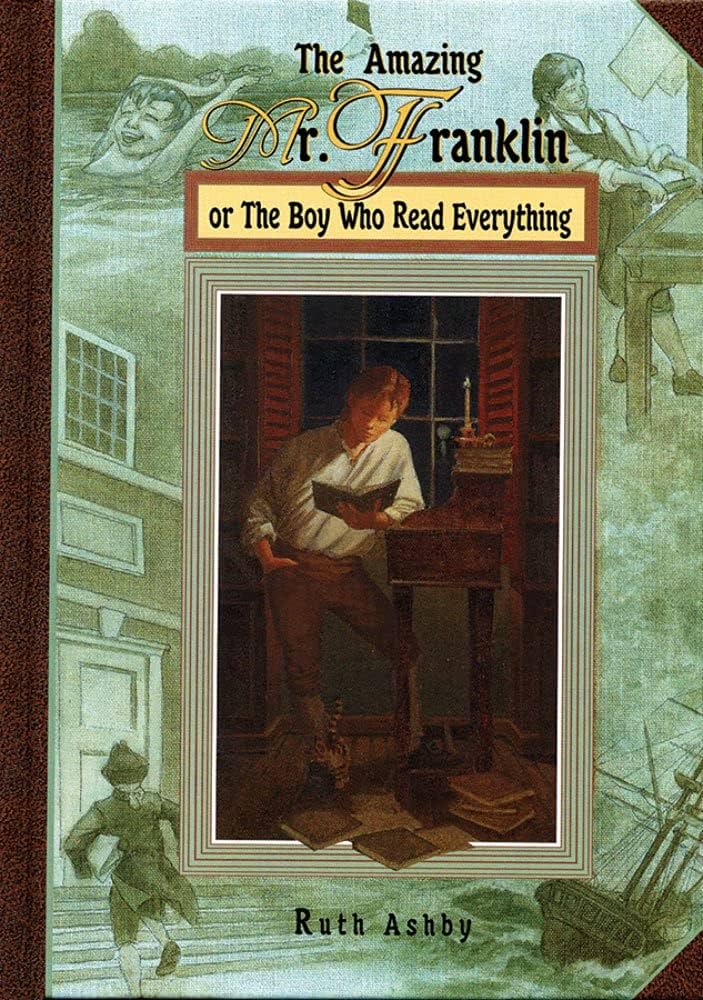
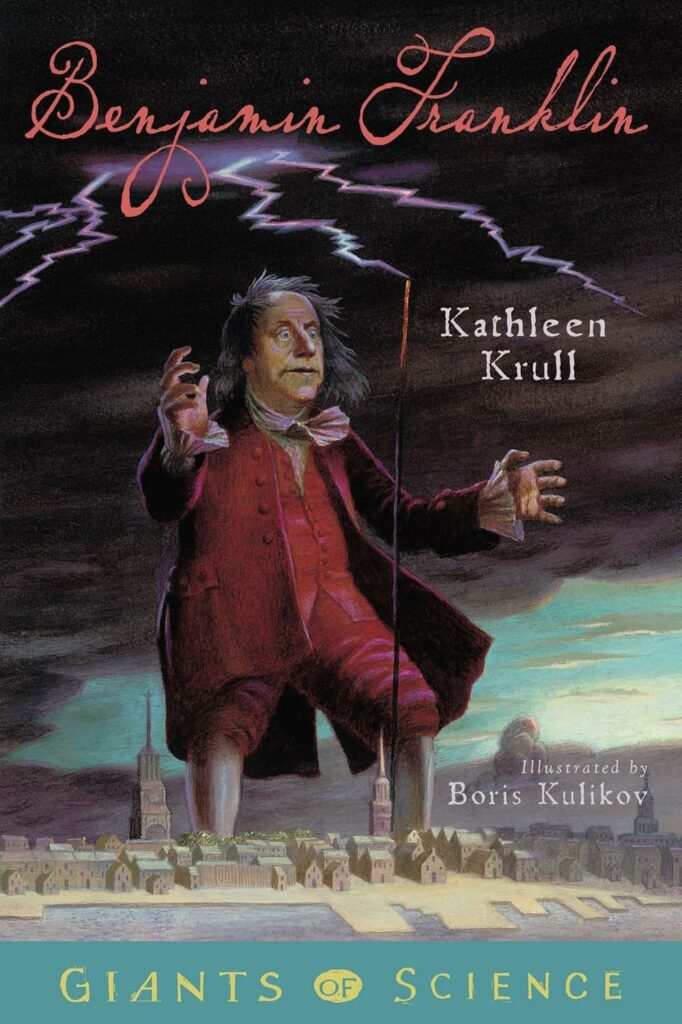
There are millions of words written about Franklin at the university level, but few people really want to jump into that level of relationship with dead people. An all around general biography for you grown ups out there is Walter Isaacson’s Benjamin Franklin: An American Life.
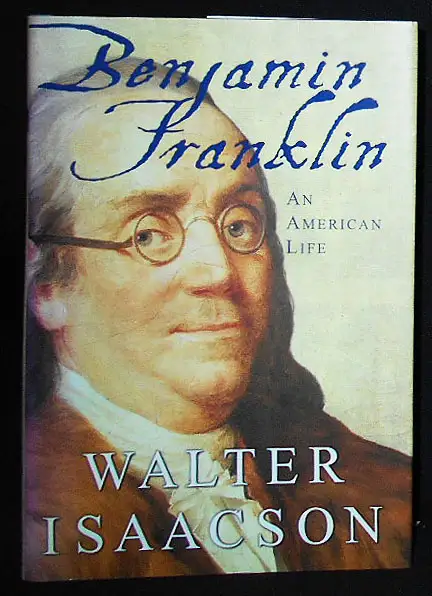
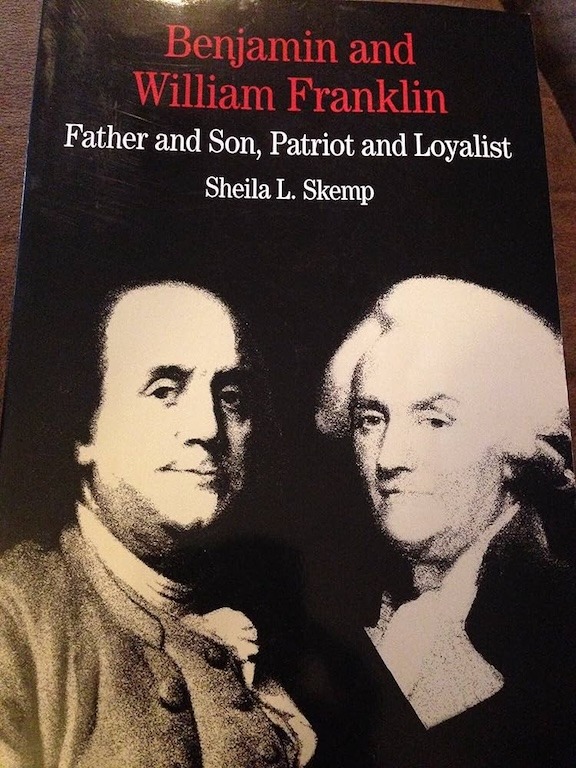
This is far from an exhaustive list. There are many, many others out there that can go in any manner of direction you’d like to follow Franklin. But is is an exhausted lister. I will add as a sort of honorable mention a book I had to read in college called Benjamin and William Franklin: Father and Son, Patriot and Loyalist by Sheila Skemp. It’s been about 15 years since I read it and I still think about parts of this exploration into a house divided.
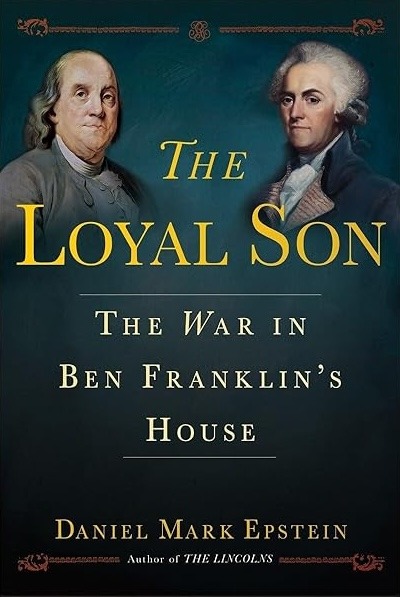
I stumbled across a more “popular press” version of this while I was building the booklist for our exhibit but I haven’t read it yet so I can’t speak to its veracity. I did add it to my to get to be read list which given its position in the queue I should get to in September. 2032.
Now, you’ve made it this far I would ask that you indulge me with one last entry and an explanative bit into how I even arrived at this juncture. When we decided to do this exhibit I knew I was going to include my copy of The Autobiography of Benjamin Franklin.
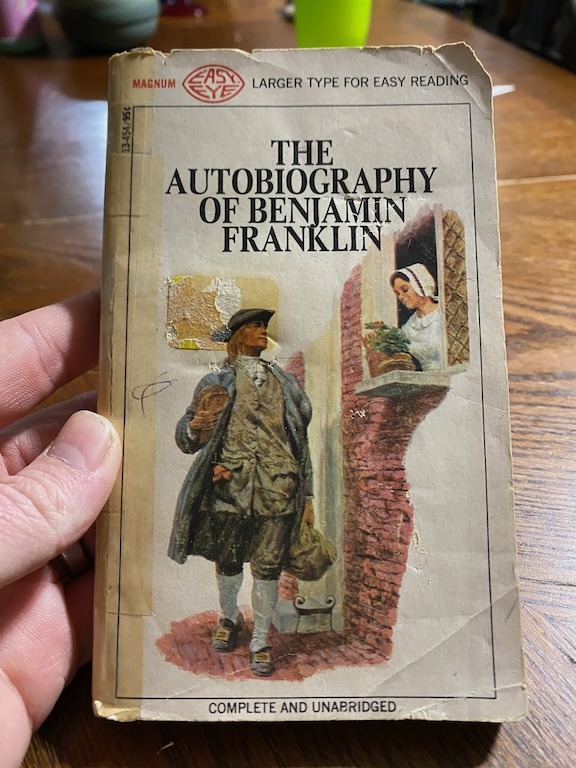
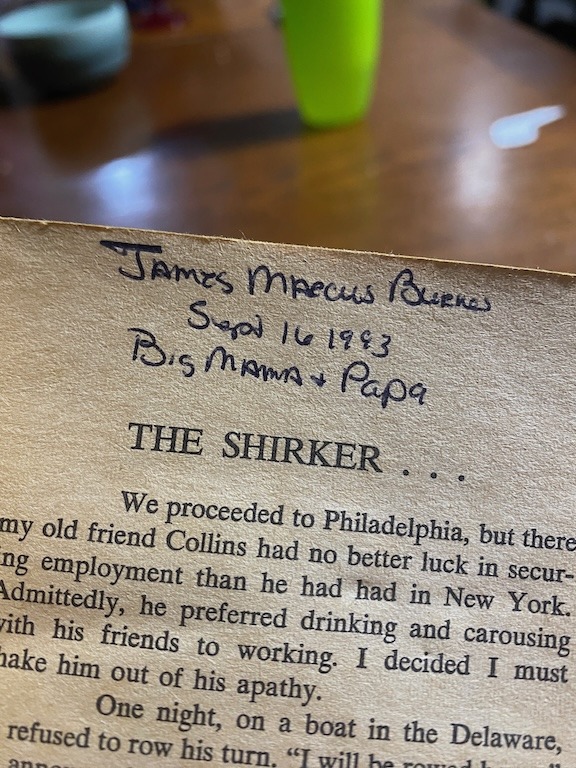
I’ve had it since I was a kid and I’ve read it a dozen times of more and I have no idea why. I pulled it off the shelf (out of the sarcophagus actually) last night and flipped through it again and Didn’t realize how 1.) tattered and worn it was (the back cover is taped on and B.) long I had actually had it.
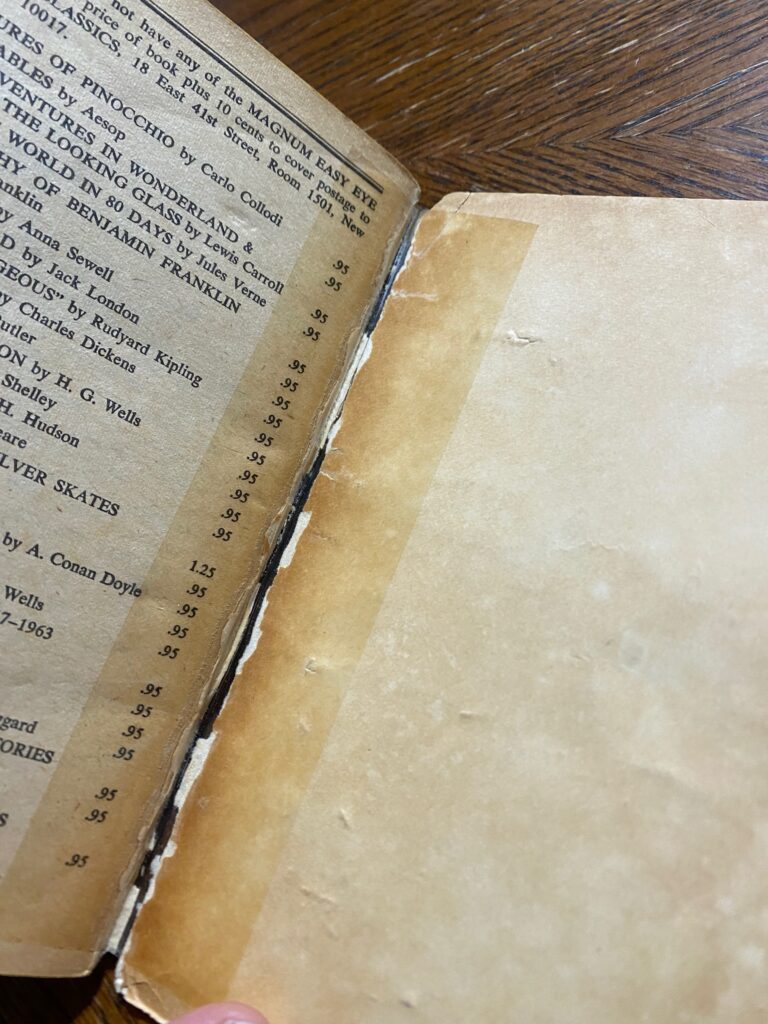
My mother’s parents gave this book to me over 30 years ago.
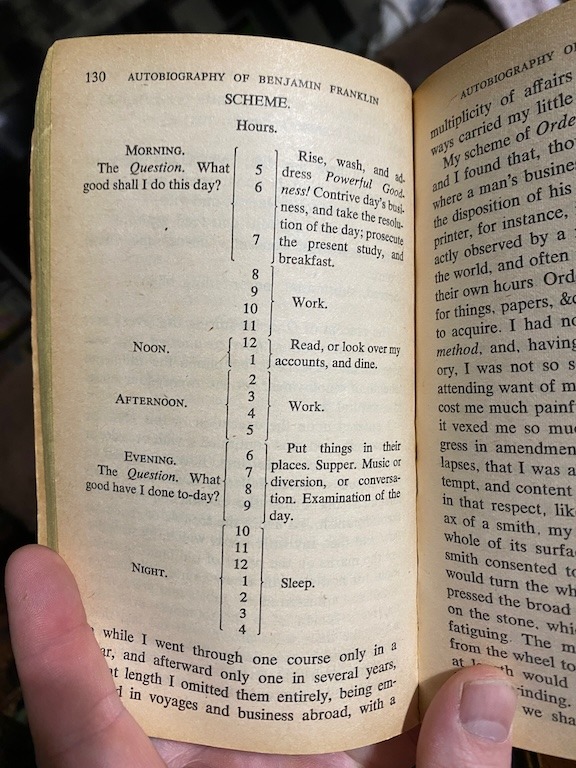
The one thing about this book that I will always remember is his Order chart. I flipped through last night until I found it and snapped a photo to send to a friend. You’ll notice it is not unlike some of the stuff I have in the journal post. If I had a nickel for every one of these things–or a derivative thereof–I have made I wouldn’t have to be making any more.
And the one thing I absolutely love about this book is that just two pages later he says, “I never arrived at the perfection I had been so ambitious of obtaining, but fell far short of it, yet I was, by the endeavor, a better and a happier man than I otherwise would have been had I not attempted it;”
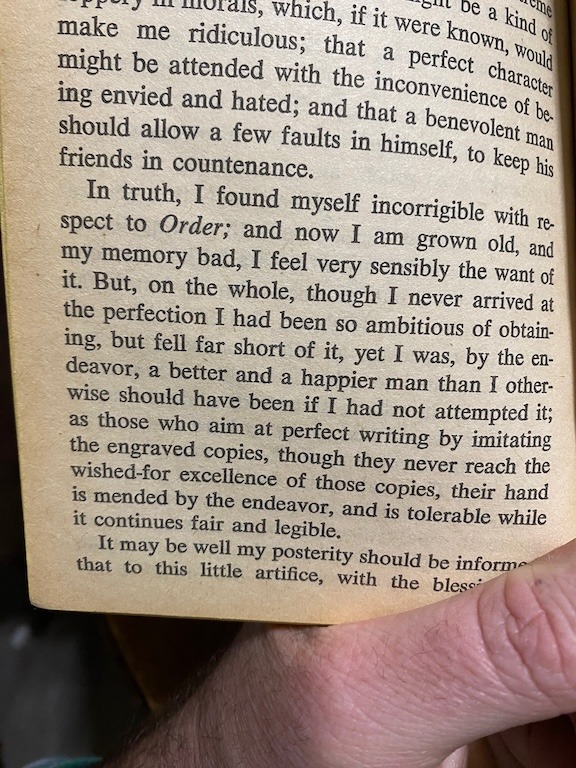
I think that’s one of the biggest takeaways from this and one of the reason this book is still so widely read and suggested (especially among entre-manures) because there sits the plan, a seemingly easy rubric to master and here we have Benjamin Franklin telling us that though I worked on this and struggled to adhere to it, I never did get it right, but it was still a good idea, and I still benefitted from doing it.
I’ll end with Franklin’s well known(?) quote from his attending the first ascent of the Montgolfier brothers hot aire balloon. When someone asked what possible use could this feat present, Franklin is said to have retorted “What is the use of a new-born child?” You can imagine Franklin saying this as he watched the balloon carry a payload off the earth and into the sky, his hand shielding his eyes from the sun. The words drifting off with his attention. Not aimed at the scoffer but a rhetorical summation of what was to come.
And if you are on your phone and don’t want to zoom and fidget, here is each side:
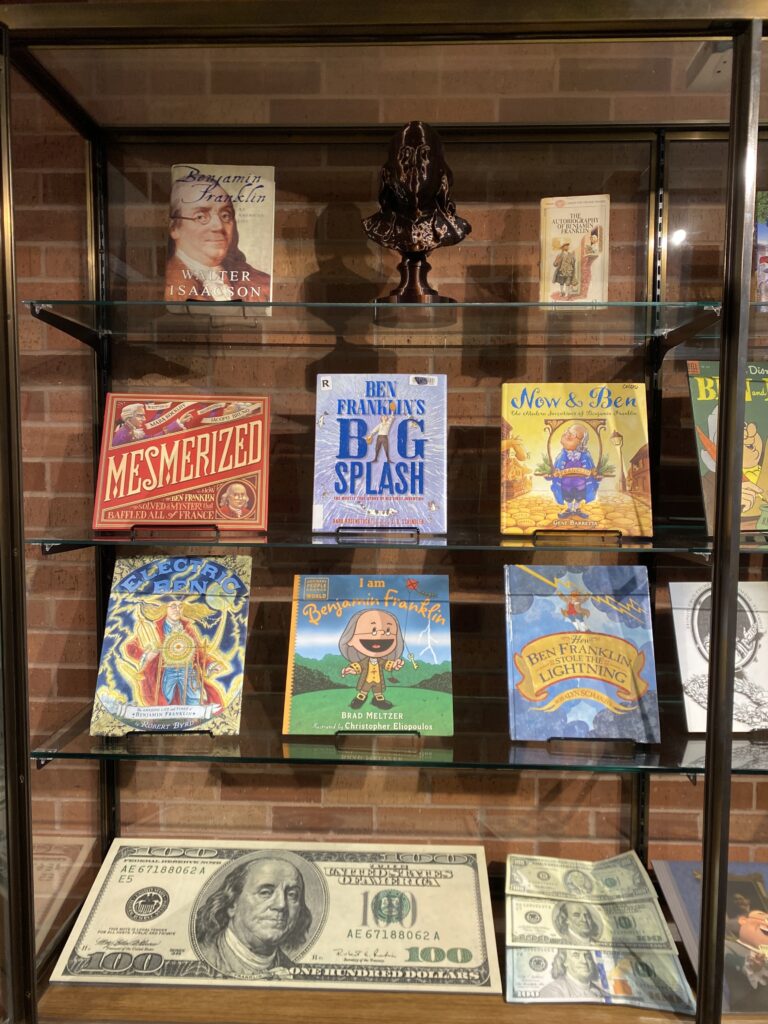
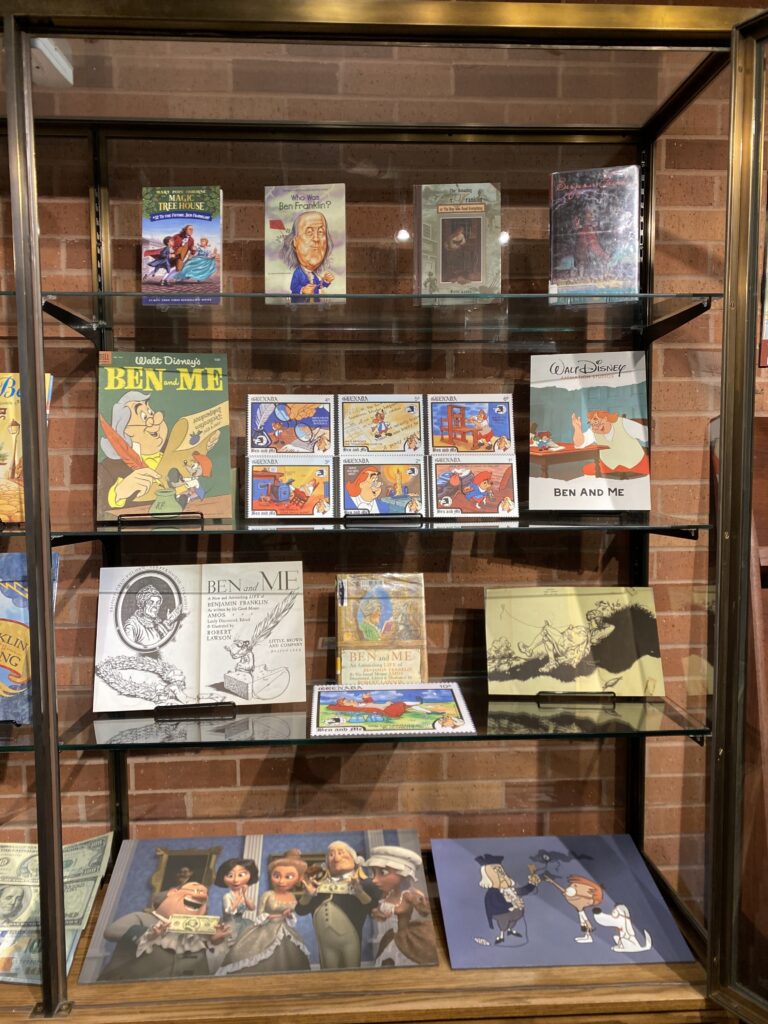
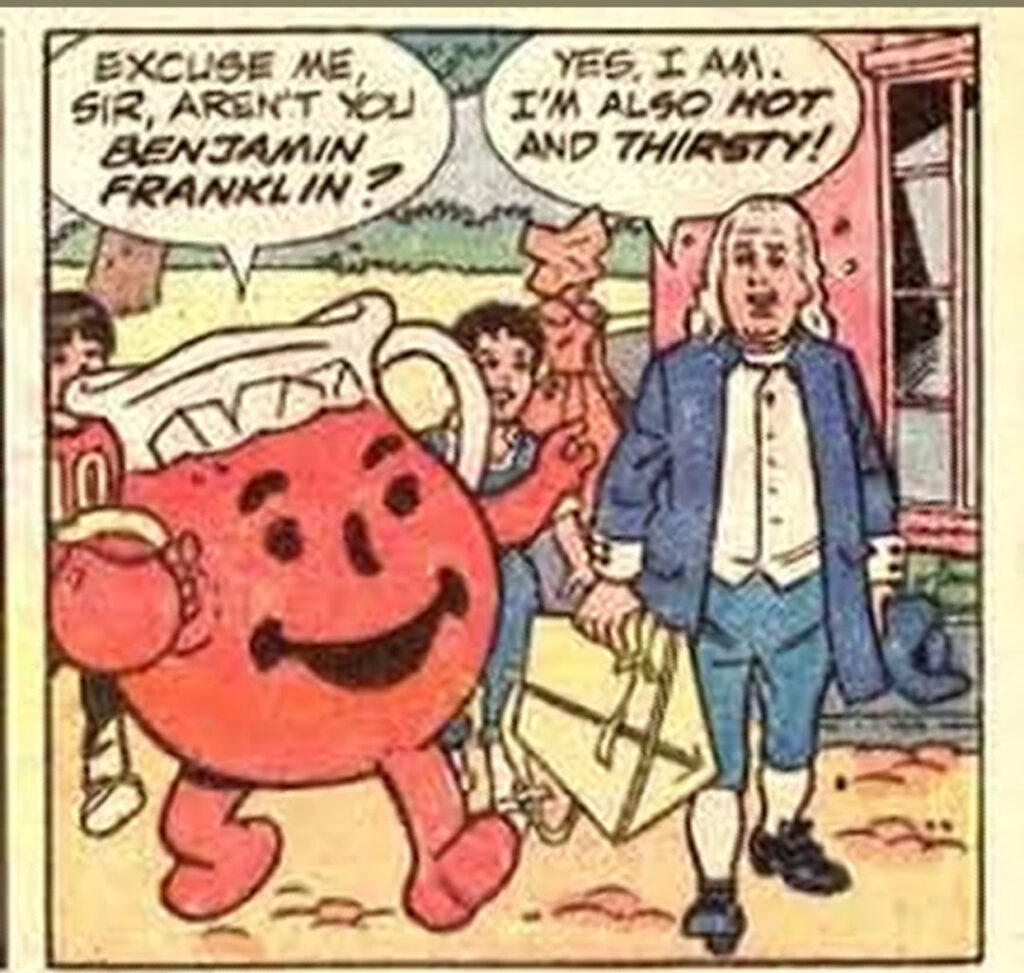
I couldn’t find this one in high enough quality to print, or even what comic book to start looking to scan it, but you better believe it is going somewhere because it’s Benjamin Franklin talking to the Kool-Aid Man.
If you don’t want to be bothered with all those fussy words and sitting down to something that isn’t backlit, there is also the 2022 Ken Burns two-part special on Benjamin Franklin to watch.

I loved this. Thanks for the dive. I am visiting my parents right now and kept reading several of the quotes to them. That “new-born child” comment is incredibly thoughtful… it’s one of those kinds of things I always try to argue, but never so nicely/succinctly, when people try to mock (and not-fund) research that they think doesn’t have any obvious clear purpose. They don’t realize that it’s from the seemingly meaningless investigations that the greatest things are discovered…
The new-born child is one of my favorite exchanges in the history of science, for exactly the reasons you mentioned. It’s a powerful statement and really should get anyone thinking. And the same flavor of questions roll over into the “what can you do with that major” for students. Jim Croce said that he graduated with a degree in English Literature fully prepared for like in the 12th century, and I know many people who aren’t “using” their humanities degree except that it helped shape them into thoughtful, introspective, and critical thinking humans. And the world is filled with MBAs and Engineers who _are_ using their degrees, but most definitely not attuned with their humanity. There’s a reason some things are part of the core curricula, and it’s crazy to think it used to be the basic default level of operation, though now I am wondering if it was because all these old thinkers were so well read. If I had to plot it out, I’d say Franklin, and then taking a required intro to philosophy course 25 years ago (this fall actually)—taught by a “professor staff” as the paper scheduling book listed it—which included Galileo, Newton, and Einstein, might have been why I ended up with a doctorate in the History of Science.